
Fentanyl treatment for women in Dublin, Ohio
Dove Recovery serves women in Dublin and the Columbus area. We begin with an individual assessment, then discuss outpatient treatment and medical support appropriate to fentanyl use.
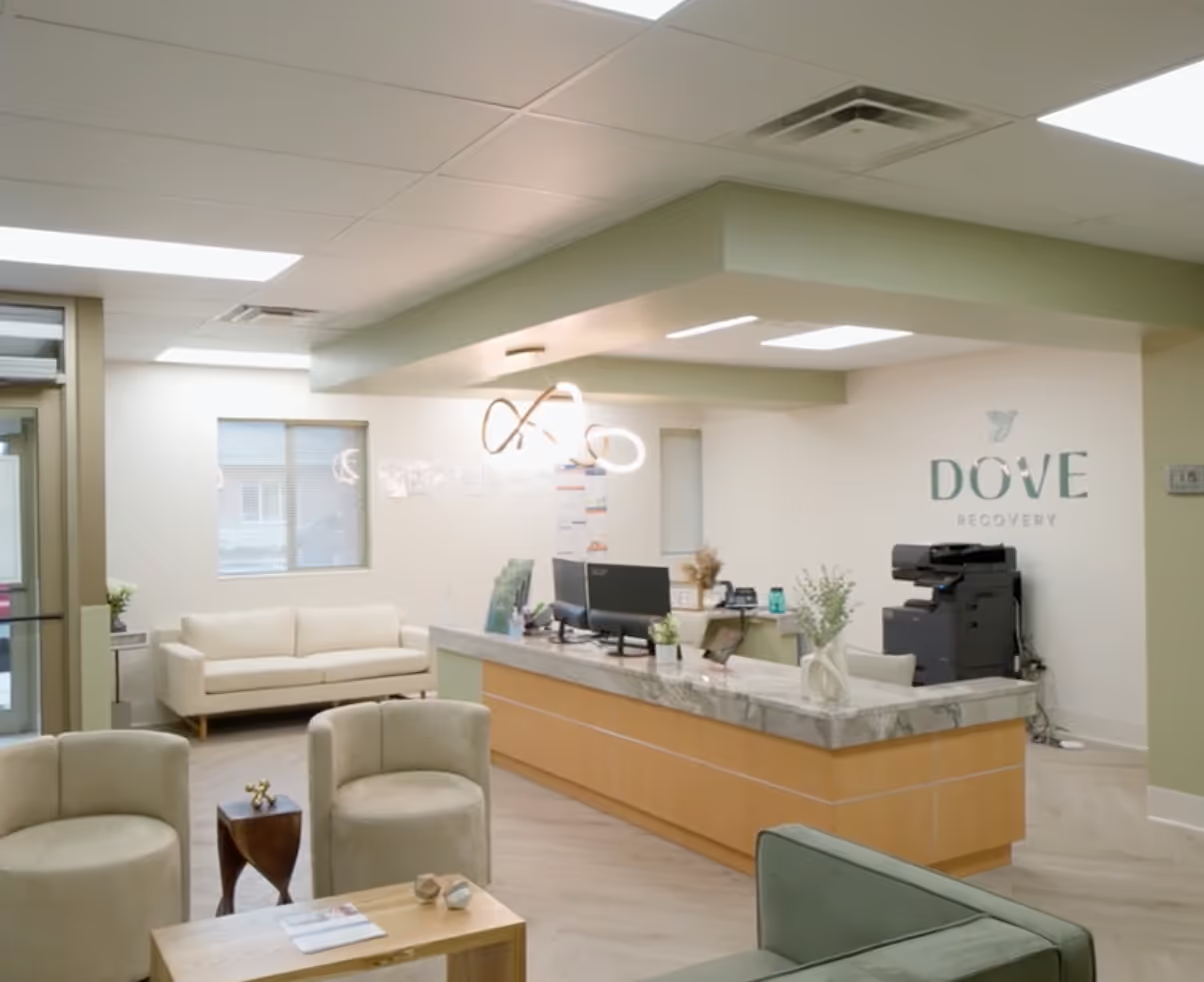

Understand the risks. Know what helps.
A clear overview of how this substance can affect the brain and body, the warning signs that matter, and the treatment approaches that support recovery.
How fentanyl can lead to addiction
Fentanyl is a potent synthetic opioid that activates the brain’s opioid receptors. It can relieve pain and produce euphoria, reinforcing repeated use. Over time, tolerance, physical dependence, and craving may develop. After time away from opioids, tolerance falls and a previously used amount can cause overdose.
Risks to know
Fentanyl can slow or stop breathing, and illicitly manufactured fentanyl may be present in counterfeit pills or other drugs without a person’s knowledge. Combining opioids with alcohol or benzodiazepines increases overdose risk. An unresponsive person with slow or absent breathing needs immediate help.
When to get urgent help: For suspected overdose, call 911, give naloxone if available, and stay with the person until help arrives.
How we approach treatment
We assess opioid use, overdose and withdrawal risk, mental health, and the right level of care. Outpatient counseling and recovery planning can be paired with a discussion of evidence-based medications for opioid use disorder, such as buprenorphine, methadone, or naltrexone, with an appropriate clinician or provider. We also discuss naloxone and coordinate a higher level of care when needed.
Program recommendations depend on clinical assessment and location. Explore our programs or speak with admissions about your options.
Medication management and withdrawal support
Dove Recovery’s Dublin team includes addictionologists and psychiatric nurse practitioners who provide medication management. Care can include medicines for withdrawal symptoms and Suboxone for opioid use disorder when clinically appropriate. An individual assessment determines medication choices and whether outpatient care is suitable or a higher level of medical support is needed.
Clinical sources
FAQs
Who Needs a Fentanyl Rehab Program?
Fentanyl addictions can happen very quickly, without warning, and affect people from all walks of life. Some find it difficult to quit using Fentanyl on their own and find a rehab program helpful for their recovery. If you or someone you know is struggling with Fentanyl addiction, call Dove Recovery today.
What Are the Signs of Fentanyl Addiction?
If you suspect you or a loved one has a Fentanyl addiction, consider the following:
- Have you isolated yourself from friends and family?
- Are you struggling to meet work or school responsibilities?
- Have you prioritized drug use over personal or professional commitments?
- Is your hygiene suffering?
- Do you hide and lie about your drug use?
- Are you showing poor judgment, such as driving or showing up to work under the influence of opioids?
- Are you finding it difficult to retrieve memories or lay down new ones?
- Is apathy turning into something more like depression? If you find yourself having suicidal thoughts, reach out to someone right away.
If you recognize yourself or a loved one in some of the above, consider a fentanyl rehab program. The support of peers and professionals, evidence-based treatments, and a trigger-free environment will enable you to confidently begin recovery.
How Long Is Your Fentanyl Addiction Rehab in Ohio?
There is no single treatment length that fits everyone. Your care team considers substance use history, withdrawal risk, physical and mental health, progress, and support outside treatment, then reviews the plan with you over time.
Ask Dove Recovery about an assessment and the recommended next steps at Dublin, serving women in the Columbus area.
Will Insurance Cover Fentanyl Addiction Treatment?
Coverage depends on your specific plan, the service, location, network status, medical necessity, and any authorization requirements. Dove Recovery can help review your benefits before care begins.
Request an insurance benefits check or ask admissions about expected costs. Verification does not guarantee coverage, payment, or admission.
Can I Continue to Work While Attending Rehab?
Some people continue working or attending school during outpatient treatment. Whether that is appropriate depends on your clinical needs, the recommended level of care, and the current program schedule.
Tell the Dove Recovery admissions team about your commitments before enrolling. We will discuss available options at Dublin, serving women in the Columbus area; a particular schedule cannot be guaranteed.
Talk with Dove Recovery about fentanyl treatment
Our Dublin team can explain assessment, outpatient options, insurance, and next steps.

Most Insurances Accepted
Most insurance companies will cover all or a portion of the costs associated with substance abuse treatment for women. Verify your insurance and determine the coverage available.