Culture & connection · Featured read
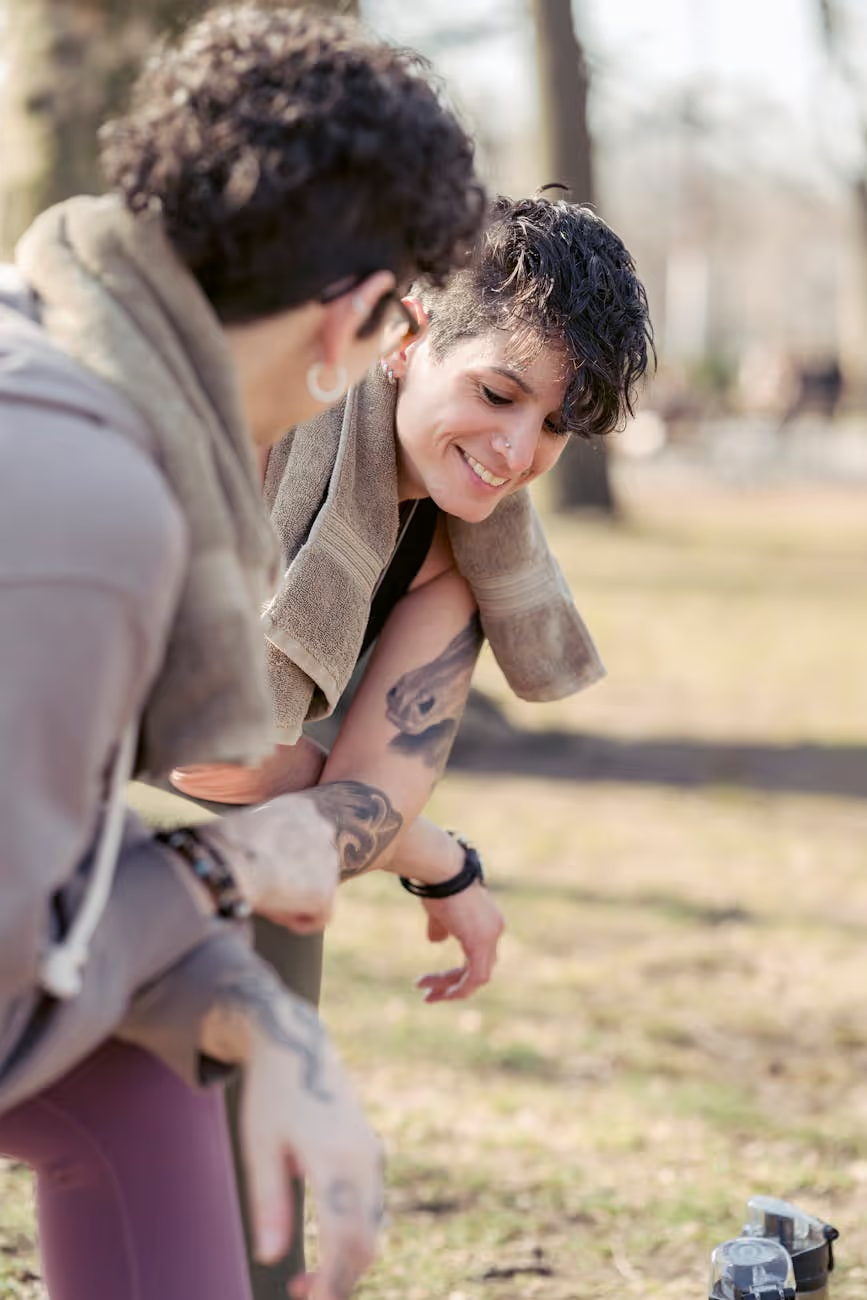
“When My Kids Whine, I Wine”: Unpacking the Phenomenon of Wine Mom Culture
A closer look at the language around motherhood, drinking and everyday stress.
Read the feature
A Dove Recovery publication
Perspectives on women’s recovery, mental health, and everyday life.
Culture & connection · Featured read
A closer look at the language around motherhood, drinking and everyday stress.
Read the feature.webp)
Families & relationships

Everyday recovery
A PLACE TO BEGIN
THE JOURNAL DESKS
Find a subject. Follow your curiosity.
Selected from the Dove libraryUnderstanding the support available, and the questions worth asking.
.webp)
Recovery skills
Ideas and questions about coping skills, support and planning for everyday challenges.
Room for a conversation about emotional wellbeing and co-occurring concerns.

Mental health
Reading about co-occurring concerns and questions to bring to a qualified care team.
Everyday routines, meaningful work and a next chapter.

Life beyond treatment
A practical conversation about work, rebuilding routines and navigating a next chapter.
Thoughtful perspectives for the people who care about someone in recovery.
Families & relationships
Questions about supporting a parent, finding help, and looking after yourself.
COLUMBUS COMMUNITY SPOTLIGHT
Selected September 24, 2026
People & connection · Columbus
North Columbus resident Tosha Waldrop shared her recovery story with WSYX during National Recovery Month, alongside peer recovery specialist Crystal Walter. The September 20 report gives a local voice to a conversation about hope, healing and support.
Read the original WSYX report ↗Around Dublin & Columbus · A Dove Journal department
Good things are happening close to home. Stories of kindness, creativity and possibility from Dublin, Columbus and Central Ohio.

Dublin · Central Ohio
Dublin Coffman graduate Andre Roberts was diagnosed with alopecia at eight. Now an Ohio State soccer captain, he is using his experience to help younger children feel comfortable in their own skin—a local story about confidence, identity and the difference a role model can make.
Read the original B1G+ story ↗Selected
Symbolic editorial illustration · Community reporting

Dublin · Central Ohio
Dublin Food Pantry marked its 50th anniversary in 2026. More than 400 volunteers support its work, from everyday essentials to Birthday Bags. After five decades, the encouraging part is not just how long the pantry has existed—it is that neighbors keep showing up.
Read the original Dublin Food Pantry story ↗Selected
Symbolic editorial illustration · Community reporting

Dublin · Central Ohio
Dublin’s Walk With Your City initiative invites residents to join city representatives for informal neighborhood walks. Families are welcome. With no podium between them, neighbors can ask questions, share ideas and talk about the streets and parks they are walking through.
Read the original City of Dublin story ↗Selected
Symbolic editorial illustration · Community reporting
Columbus
Writing helped Barbara Fant process grief after losing her mother as a teenager. Now the poet has returned to Columbus as executive director of Thurber House. In a Matter News interview, she describes wanting more people to discover its programs and find room for their own voices—a new chapter grounded in her experience of what creative expression can mean.
Read Barbara’s story at Matter News ↗
Editorial illustration · A new chapter
Hilliard · Central Ohio
Hilliard has proposed transferring 333 acres to Metro Parks to expand Homestead Metro Park and protect land in the Big Darby watershed. The city’s September 14 announcement describes future prairie, wetlands and possible nature trails, with council approval expected September 28. The plan offers a longer view of growth: keeping space for habitat and everyday time outdoors.
Read Hilliard’s park expansion plan ↗
Editorial illustration · Room for nature
Linden · Columbus
Ralph Carter started WE ARE LINDEN with a neighborhood block party in 2015. Today, the organization describes year-round mentoring, youth activities and community service. Young people join cleanups, share local resources and build life skills through its ambassador initiative. The work offers concrete ways to take part in neighborhood life, with encouragement and recognition along the way.
Explore WE ARE LINDEN’s community work ↗Community spotlight
Editorial illustration · Neighborhood belonging
Ohio State · Columbus
Ohio State lineman Carson Hinzman has helped farmers clean up after storms, bringing teammates when he can. Raised on a family farm, he is also building the Grit & Grain Foundation with his father, Jon, to support young people from rural and blue-collar communities. His university profile connects the work of football, farming and showing up when neighbors need help.
Read Carson’s story at Ohio State News ↗
Editorial illustration · Service and community
Worthington · Greater Columbus
Curated by Loren Bucek, Chasing the Light: Artists Speak brings artists together around the many meanings of light. The McConnell Arts Center lists the exhibition for September 24 through November 12. A companion presentation includes work from 475 Wilson Hill Elementary students, extending the invitation across generations through painting, writing, movement and other forms of creative expression.
Explore the exhibition at McConnell Arts Center ↗
Editorial illustration · Creative possibility
North Columbus
North Columbus resident Tosha Waldrop shared her recovery story in a September 20 WSYX segment during National Recovery Month. She appeared alongside Boulder Care peer recovery specialist Crystal Walter. The short report centers hope and support from others. Her willingness to speak publicly makes recovery part of the stories neighbors can hear about their own community.
Editorial illustration · Hope and connection
9 stories
Explore the Dove libraryIndependent stories, selected and summarized from the linked sources—not interviews by the Journal. Dates describe the linked report or stated event. Symbolic editorial illustrations do not depict the people or places reported. This is a curated collection, not a live news feed.
THE READING ROOM · BOOKS & IDEAS
25 books on recovery, mental health and the people we love. Browse at your own pace.
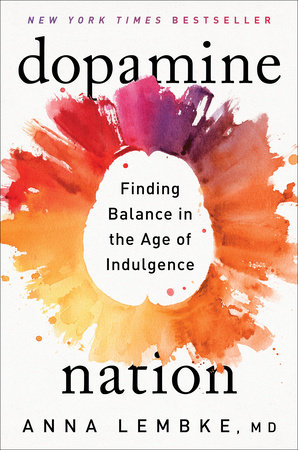
Understanding addiction
Explores pleasure, reward, and compulsive behavior through clinical stories. Lembke considers why rewarding experiences can become difficult to control, offering a starting point for reflection on cravings and everyday habits.
Explore this book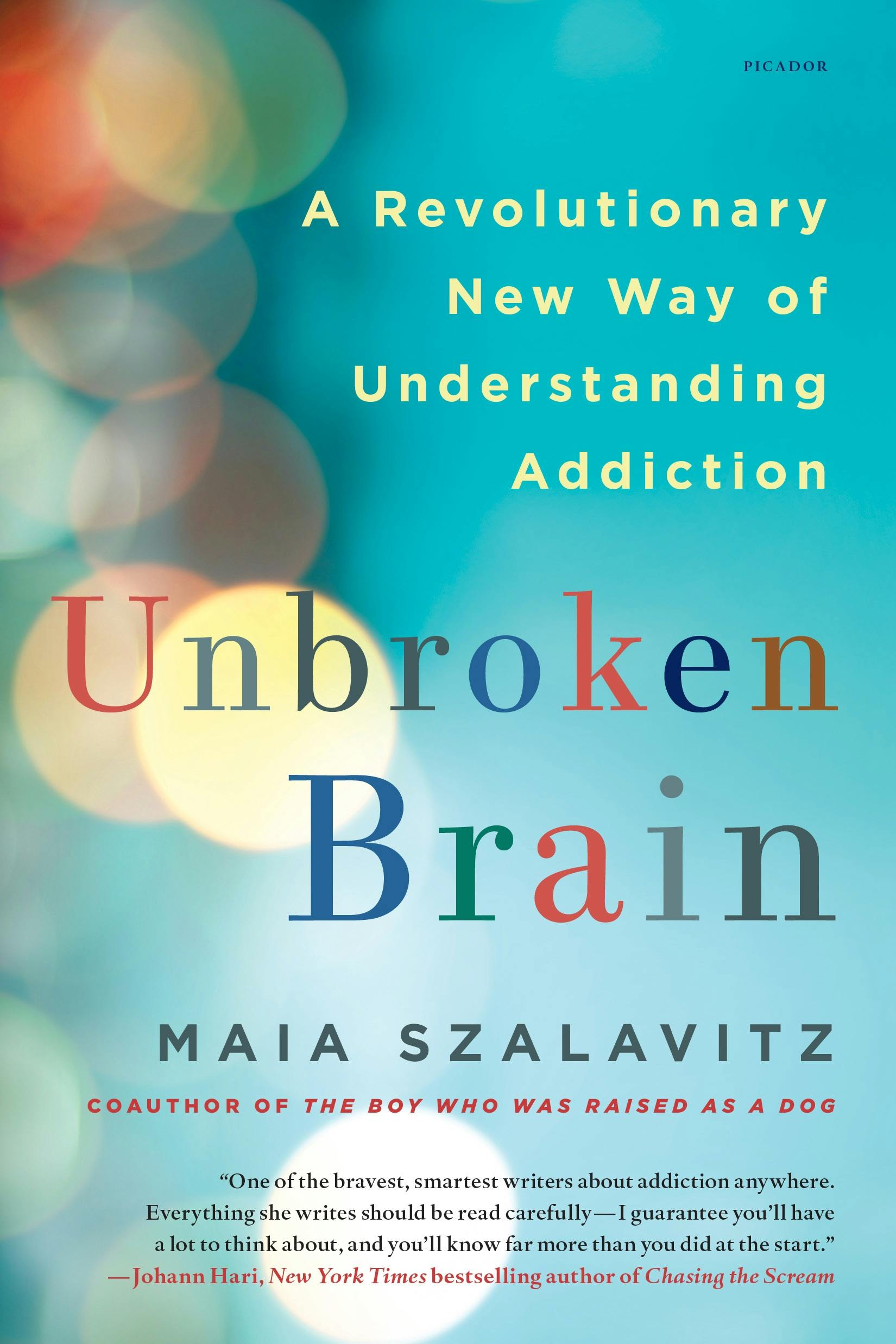
Understanding addiction
Combines addiction research with the author’s recovery story, examining learning, development, and social context. Its perspective invites people in recovery and their families to consider experiences beyond blame or moral judgment.
Explore this book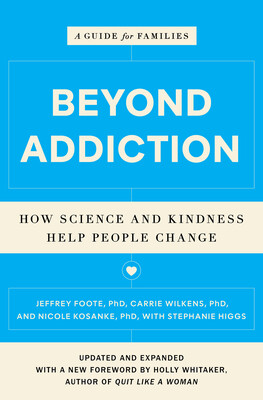
Building recovery and supporting a loved one
Explores constructive communication, kindness, and ways families can encourage change. Written for loved ones, it considers practical alternatives to confrontation and the assumption that someone must reach rock bottom before receiving support.
Explore this book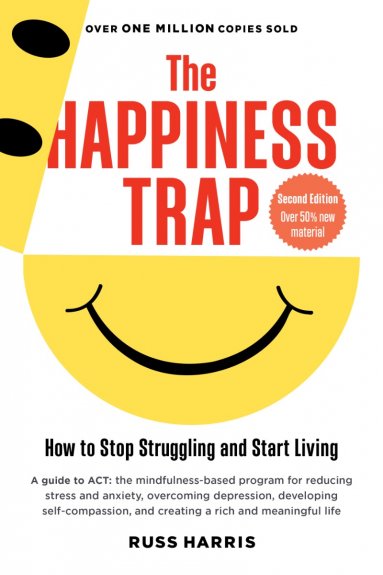
Mental health and practical emotional skills
Introduces acceptance and commitment therapy through ways of responding to difficult thoughts and feelings while acting on personal values. Harris explores a meaningful life without making constant positive thinking the goal.
Explore this book
Mental health and practical emotional skills
Connects depression with patterns involving sleep, movement, thinking, and relationships. Korb’s discussion of small, manageable changes offers readers a way to explore everyday routines without attempting to overhaul their lives at once.
Explore this book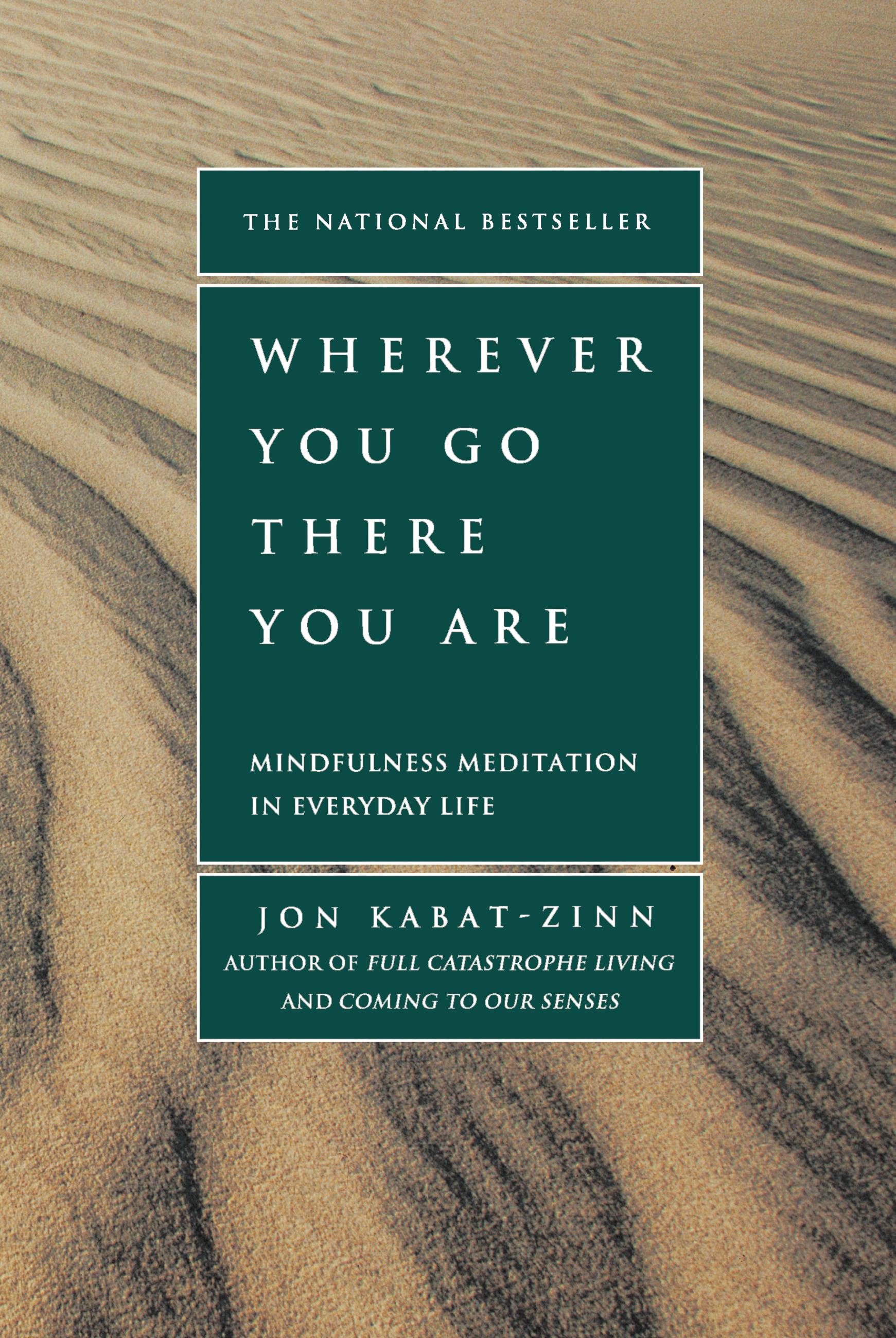
Mindfulness, acceptance, and working with anxiety
Introduces mindful awareness through ordinary moments and daily experience. Its reflective approach offers an entry point for readers curious about mindfulness who prefer short explorations and observation to a technical workbook.
Explore this book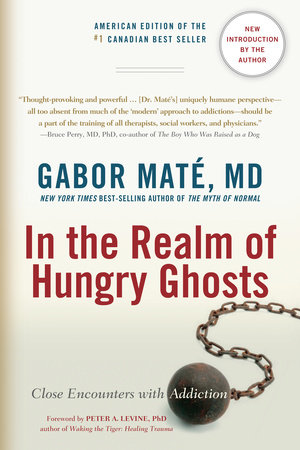
Understanding addiction
A story-driven examination of addiction, emotional pain, trauma, and social circumstances. Maté presents a trauma-centered perspective that readers can explore alongside other explanations of addiction and individual experiences of recovery.
Explore this book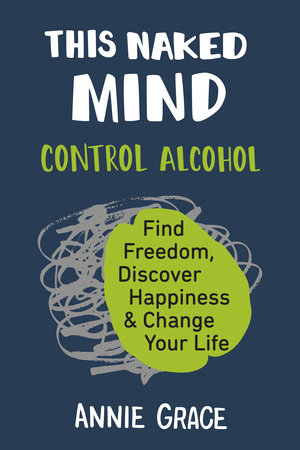
Understanding addiction
Examines beliefs, habits, and cultural messages surrounding alcohol. Its conversational approach offers material for readers questioning their relationship with drinking, including those who do not connect with traditional recovery language.
Explore this book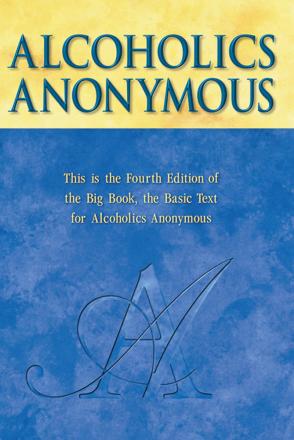
Understanding addiction
The foundational Alcoholics Anonymous text introduces the Twelve Steps alongside personal recovery stories. Its spiritual framework provides context for readers exploring AA or seeking to understand the program’s approach to recovery.
Explore this book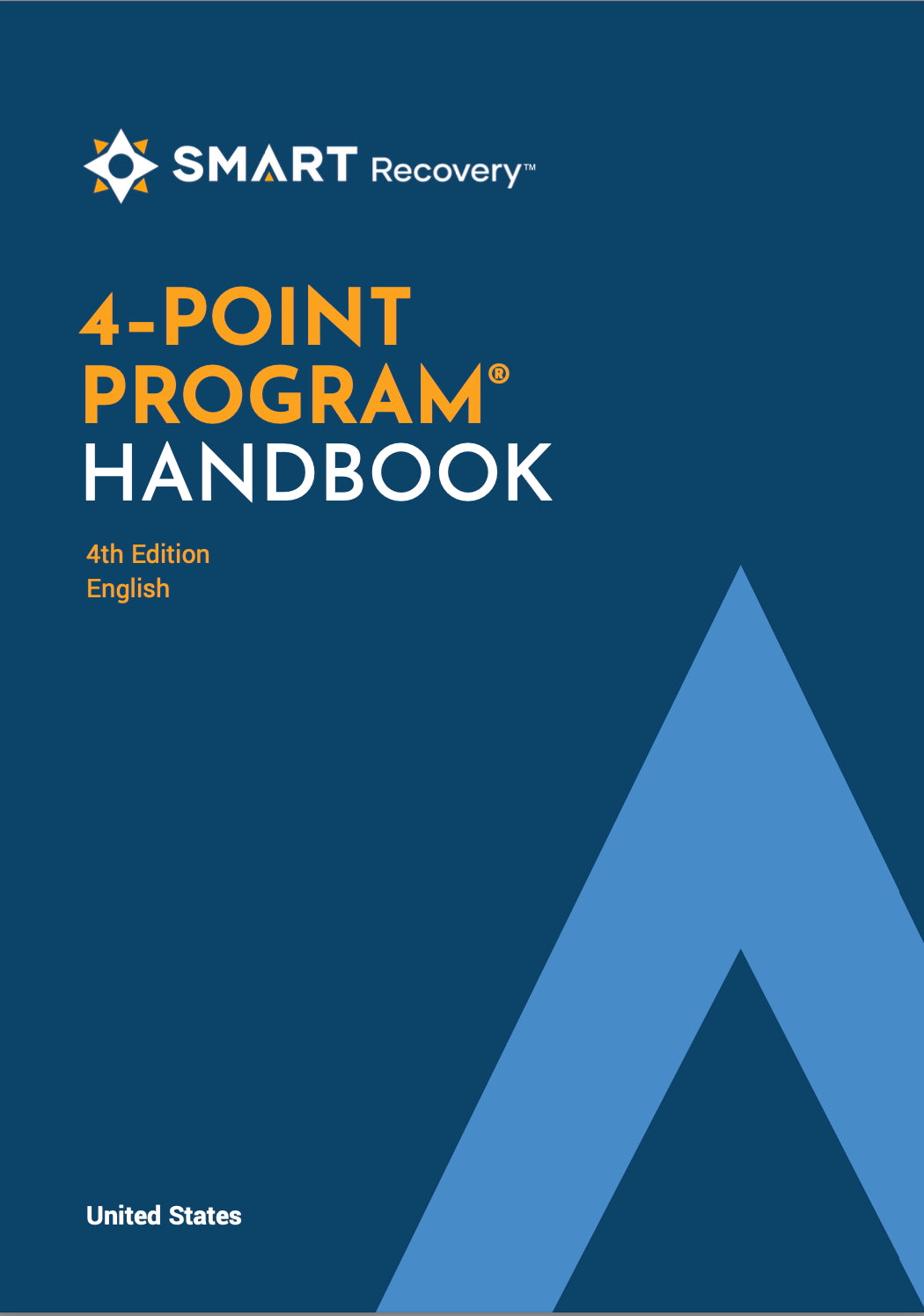
Building recovery and supporting a loved one
An exercise-based resource organized around motivation, coping with urges, managing thoughts and emotions, and building a balanced life. It introduces SMART Recovery’s tools for readers interested in a structured, self-management approach.
Explore this book
Building recovery and supporting a loved one
Connects mindfulness with the grief, stress, and anger that can accompany addictive behavior. Practical exercises invite readers to explore emotional coping skills and bring mindful attention into their recovery routines.
Explore this book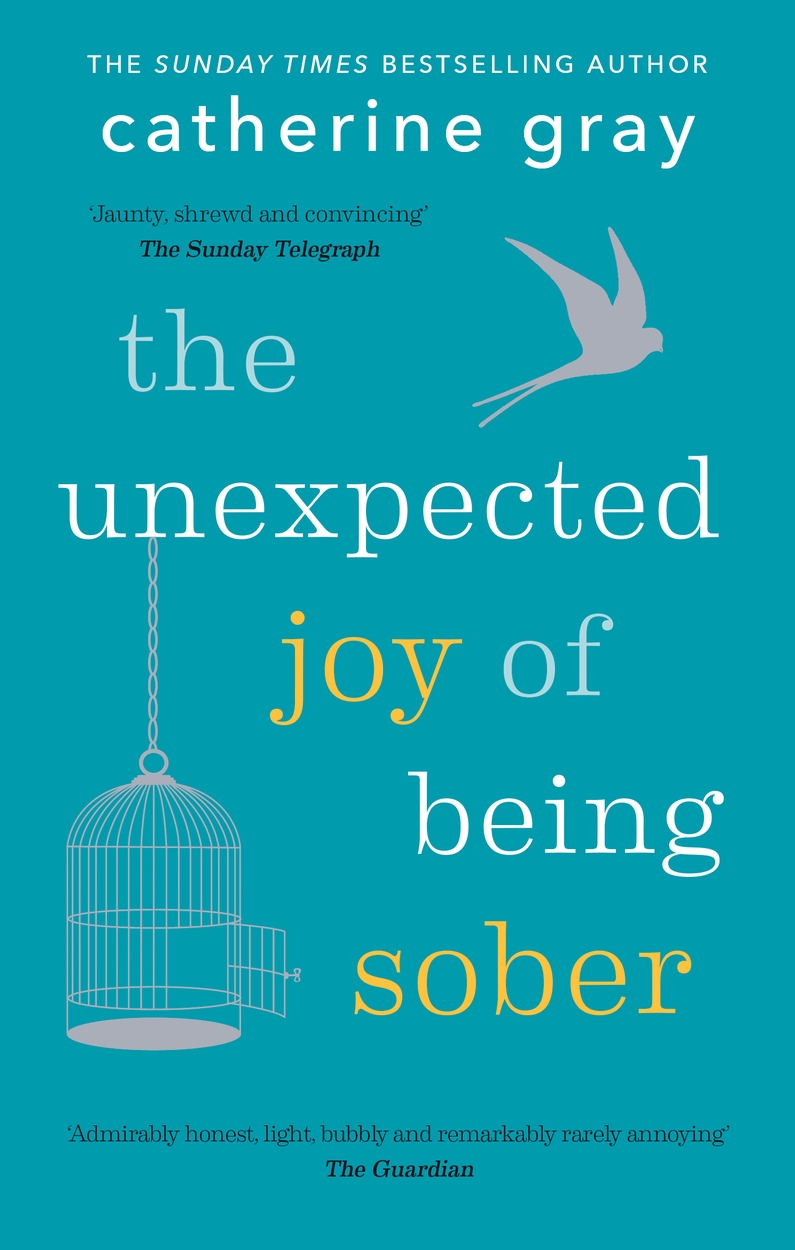
Building recovery and supporting a loved one
Blends personal experience and practical reflections on alcohol-free living. Gray uses humor and warmth to explore what sobriety can offer, including everyday enjoyment, for readers wondering how life might change without drinking.
Explore this book
Building recovery and supporting a loved one
A father’s account of his son’s addiction and its effects on their family. The memoir explores fear, uncertainty, and hope, offering a personal perspective on loving someone through difficult periods.
Explore this book
Mental health and practical emotional skills
Introduces cognitive therapy and tools for examining patterns of thought associated with depression, self-criticism, and low self-esteem. Its practical focus invites readers to notice and question harsh or unhelpful interpretations.
Explore this book
Mental health and practical emotional skills
A structured cognitive behavioral therapy workbook exploring connections among situations, thoughts, emotions, and behavior. Worksheets and examples give readers a step-by-step format for practicing skills and reflecting on their experiences.
Explore this book
Mental health and practical emotional skills
Offers exercises in mindfulness, emotion regulation, distress tolerance, and effective communication. Its structured format introduces dialectical behavior therapy skills for readers interested in understanding intense emotions and practicing different responses in relationships.
Explore this book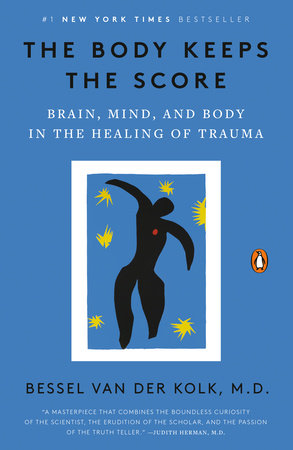
Trauma, self-compassion, and rebuilding meaning
Explores trauma’s effects on the mind and body and discusses approaches to healing. This is background reading for understanding traumatic stress, with perspectives to discuss further rather than a personal treatment plan.
Explore this book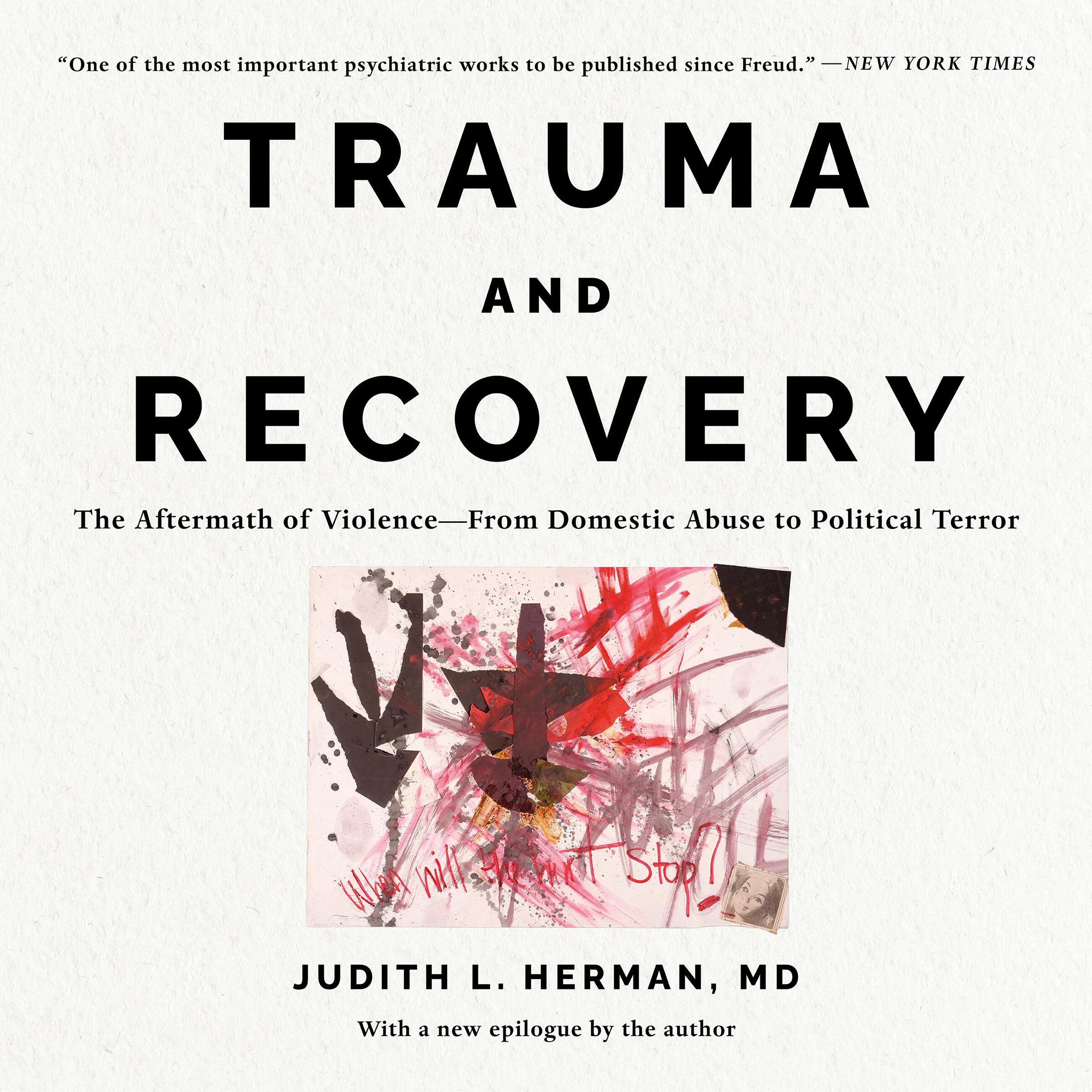
Trauma, self-compassion, and rebuilding meaning
Examines trauma in relation to violence, personal relationships, and wider social circumstances. Herman’s substantial discussion offers deeper background for readers exploring traumatic experiences and the processes involved in rebuilding safety and connection.
Explore this book
Trauma, self-compassion, and rebuilding meaning
Explores responding to mistakes, suffering, and perceived inadequacy with kindness. Neff considers an alternative to relentless self-criticism, offering readers language for reflecting on shame, perfectionism, and the way they speak to themselves.
Explore this book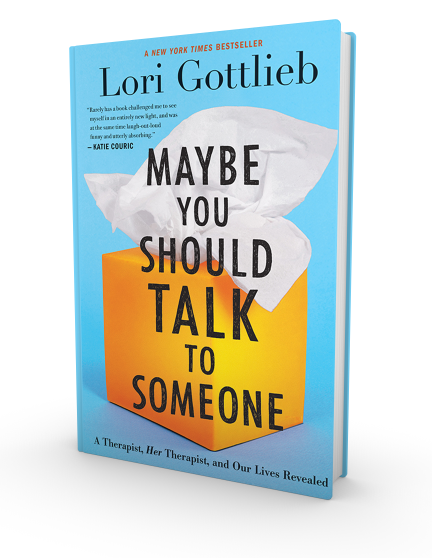
Trauma, self-compassion, and rebuilding meaning
A psychotherapist writes about working with patients and becoming a patient herself. Humor, vulnerability, and personal stories offer a human view of counseling for readers curious about what therapy can feel like.
Explore this book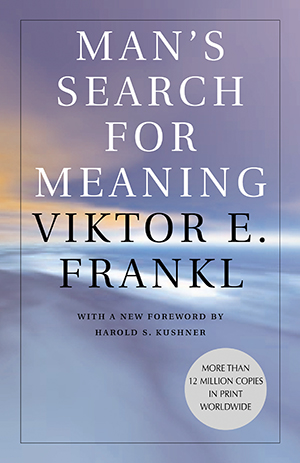
Trauma, self-compassion, and rebuilding meaning
Drawing on his experiences in Nazi concentration camps, Frankl reflects on meaning, suffering, and purpose. This memoir and philosophical exploration considers larger questions that may arise while a person is rebuilding their life.
Explore this book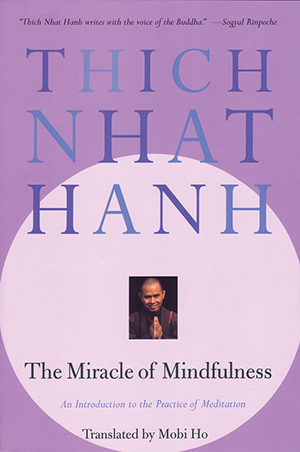
Mindfulness, acceptance, and working with anxiety
Introduces meditation through everyday activities, stories, and practical exercises. Rooted in Buddhist teaching, it invites readers to bring attention and presence to daily routines as part of an ongoing contemplative practice.
Explore this book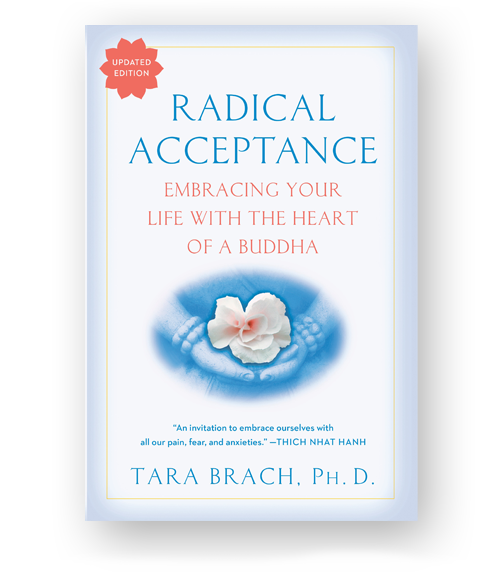
Mindfulness, acceptance, and working with anxiety
Combines Buddhist teachings, meditation, and stories about shame, fear, and feelings of unworthiness. Brach offers a contemplative exploration of self-acceptance for readers drawn to compassion and a different relationship with difficult feelings.
Explore this book
Mindfulness, acceptance, and working with anxiety
Introduces mindfulness-based cognitive therapy and explores responses to sadness and repetitive negative thinking. The book connects mindfulness and mental health, inviting readers to examine their relationship with difficult thoughts and feelings.
Explore this book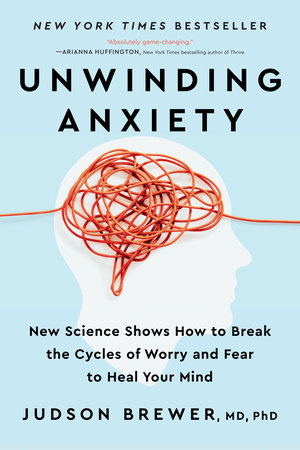
Mindfulness, acceptance, and working with anxiety
Explores the connections among worry, habit, and attempts to find relief. Awareness and curiosity are central to Brewer’s approach, offering readers a framework for noticing recurring patterns of anxiety and avoidance.
Explore this book25 books · Swipe, scroll, or use the arrows
Selected reading, not a sales ranking or an endorsement of every recommendation. Books support learning and reflection; they do not replace individualized care. Links go to official authors or publishers and contain no affiliate tags. Cover art comes from the linked authors or publishers; editions may vary.
FROM THE DOVE LIBRARY
More perspectives to explore, at your own pace.




.webp)