Meeting People Where They Are: The Power of Substance Use Harm Reduction

Substance use disorders can have a vice grip on life, making even the thought of recovery seem unachievable.
While abstinence might be an appropriate treatment objective for many people trying to recover from a substance use disorder, complete abstinence is sometimes not realistic. Particularly for long-term goals, new treatment approaches that recognize the clinical value of reduced use.
Substance use harm reduction is a strategy that aims to reduce substance use and minimize continued risks, but not necessarily eliminate it. Keep reading to understand more about harm reduction as a method to combat the ever-climbing number of people struggling with substance use disorders.
Table of Contents
- What Is Harm Reduction in Substance Use?
- What Are the 6 Principles of Harm Reduction?
- 5 Examples of Harm Reduction in Substance Use
- Dove Recovery Provides Safe, Comprehensive Addiction Treatment in Columbus, Ohio
The central idea and philosophy of harm reduction focuses on making the health and safety of the individual using the substances a main priority.
A harm-reduction approach acknowledges that substance use is complex, and rather than demanding cold-turkey abstinence, it aims to minimize the potential harm from the substance use.
Fostering an environment in which there is no judgement can help a person to make healthier and safer choices for improved overall outcomes.
Dove Recovery wants to help you in your first steps toward recovery and throughout your journey. Offering substance abuse treatment, mental health services, and aftercare options, our experienced staff members are ready to help. Contact us today.
There are six general principles that summarize what a harm reduction approach entails in supporting people who use unregulated drugs. These principles encompass structure and expectations in harm reduction programs, as well as encouraging interpersonal relationships.
#1: Autonomy
A common misconception is that a harm-reduction method may inadvertently promote substance use rather than encourage sobriety.
However, substance use harm reduction approaches do not encourage or enable substance use, but rather recognize that not everyone is willing or able to immediately quit.
This method can support individuals to gain an increased sense of autonomy and understanding that they can gain control over their choices.
#2: Humanism
Struggling with substance use does not need to define you.
Harm-reduction is built on humanism, which is the belief that everyone deserves respect, compassion, and high-quality care no matter what stage of their journey.
#3: Pragmatism
A pragmatic thought process in harm reduction refers to approaches that aim to reduce overall harm but allow the individual to continue using the substance as a human right, albeit in lesser doses or quantities.
This belief may stir up some controversy, as it allows individuals to keep using substances that are known to be harmful.
#4: Individualism
Individualism focuses on the unique qualities of each person. In reference to harm reduction in substance use, it is important to keep in mind that each person has their own strengths and weaknesses, so what works for one person may not be appropriate for another.
For example, complete abstinence from substance use may be the most effective approach for one person, but it will absolutely fail for another.
#5: Incrementalism
Incrementalism may be considered as taking baby steps towards positive change.
These steps may occur over a few days, or they may take years, but they are still positive changes toward improved health. Continued support for any positive change is vital, along with understanding that there may be backward movement at times.
#6: Accountability Without Termination
Accountability is important, as it encourages individuals to take responsibility for their choices and actions.
Goals should be set and pursued, but clients in programs cannot be dismissed or treatment ended if their goals are not achieved. Providers can still reiterate that choices have ripple effects, whether they are positive or negative.
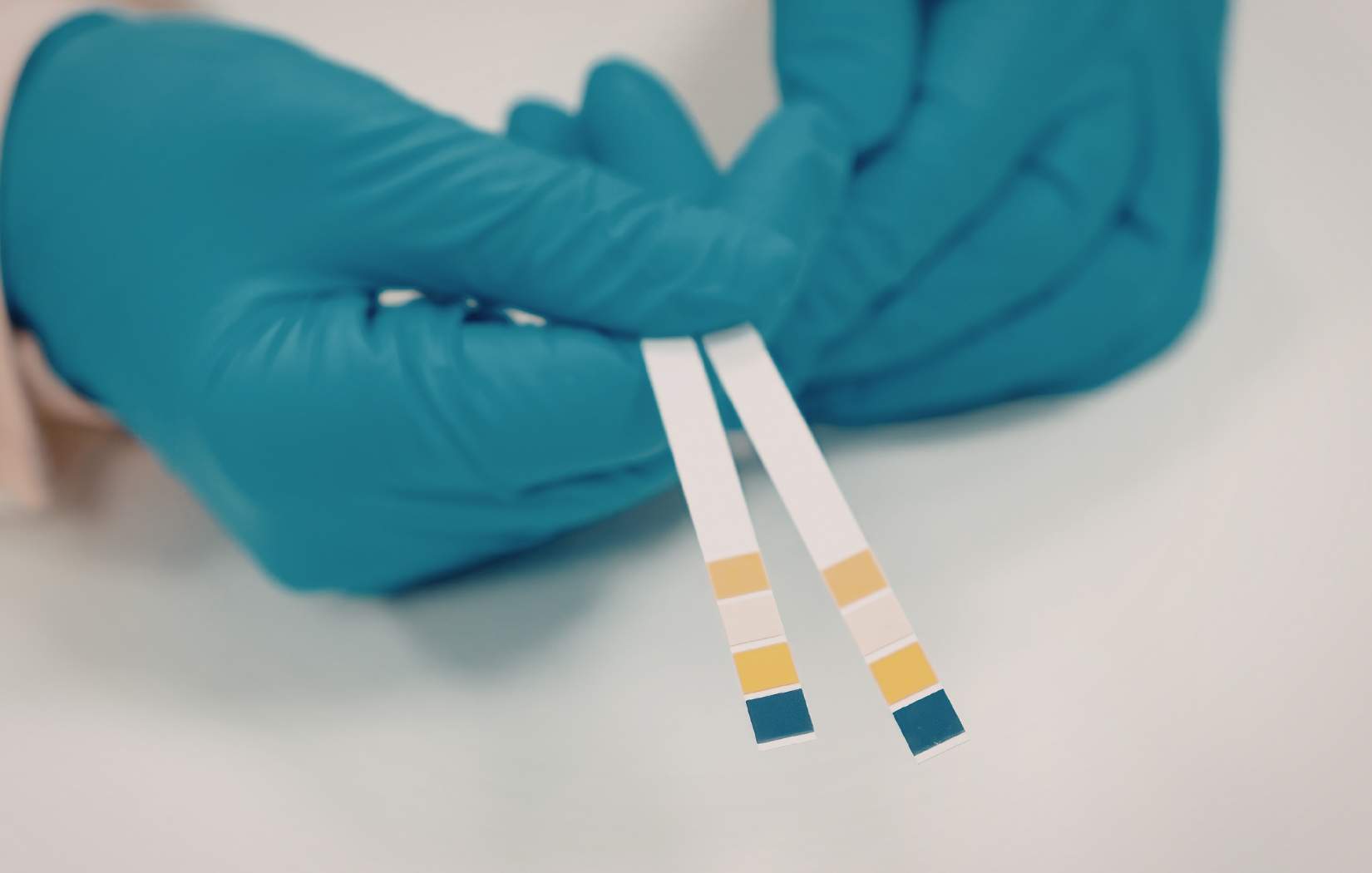
#1: Enabling Drug Checks
In order to maintain as much safety as possible, resources can be made available, such as:
- Test strips for additional substances like fentanyl, xylazine, etc.
- Lab equipment to check for unexpected and dangerous substances
Additional resources can help individuals make informed decisions regarding substance use and prevent unintentional overdoses.
#2: Education on Safer Use
Harm reduction emphasizes education about safer drug use practices to promote open conversation, increase understanding, and create positive changes.
Additional safety initiatives may include:
- Needle exchange programs
- Provide clean needles to individuals who inject drugs.
- Reduce the risk of infections like HIV and Hepatitis C.
- Supervised use or consumption sites
- Allow individuals to use substances under medical supervision.
- Prevent overdoses.
- Discourage mixing of drugs and other substances like alcohol.
- Offer access to resources for safer use.
- Naloxone Distribution
- Naloxone is used to reverse overdoses.
#3: Providing Health and Social Services
Health and social services are additional resources that may be necessary to fully support those dealing with substance use disorder. Not only do they need treatment related to substances, but many other needs may also be present and require care.
Additional health and social services that may be vital to recovery can include:
- Primary medical care
- Food and housing assistance
- Mental health support
- Vaccinations
- Infectious disease testing:
- HIV
- Hepatitis C
- Sexually transmitted infections

#4: Offering Peer Support Programs
Harm reduction is not just about substance use. It is about enhancing the overall quality of life, including encouragement that can be offered from peer support that individuals need to thrive.
Peer support may be provided through:
- Addressing physical needs
- Offering emotional support
- Supporting social needs
Surrounding those struggling with substance use disorders with positive affirmations and consistent peer support creates opportunities for long-term stability and healing.
#5: Using Non-Stigmatized Language
When it comes to substance use, stigma impacts people living with substance use disorders, as well as their families.
Stigma often surfaces in the form of derogatory language that can shame and belittle people, and such language can quickly isolate people who use substances.
Stigmatizing language or disrespectful behavior affects the way people see themselves and how they are treated by society as a whole. It is important to remember that a substance use disorder should be treated as a medical condition. Shifting language to more accurately reflect the nature of the health condition can lead to wider support of life-saving interventions.
Avoiding stigmatizing language, negative non-verbal behaviors, and body language will not only support people in their healing, but may also promote attitudes of needed trust and acceptance.
Continual support and individualized treatment plans are vital for achieving and maintaining sobriety, particularly with approaches of harm reduction in substance use.
It is important to have a safe space to share challenges, personal experiences, and stumbling blocks that may have contributed to your dependence on substances. Whether it is in-person or online, Dove Recovery staff can be helpful for the following:
- Mental and emotional support
- Encouragement for personal growth
- Motivation and empowerment toward long-lasting recovery
- And more
Our clinicians understand that everyone’s story is unique, each person with their own set of challenges, and that harm reduction can be an ideal method to reduce or eliminate substances from some people’s lives.
Dove Recovery also offers the following treatment options for additional support:
- Intensive outpatient program
- Outpatient program
- Detox
- Counseling
- Partial hospitalization program
Are you ready to change your life and move towards recovery? Allow Dove Recovery to partner with you. Our dedicated and professional team wants to help you overcome substance use disorder. Contact us today to begin your journey.