
Recovery Is a Team Sport: Relapse Prevention Group Activities That Keep You Strong

Recovery rarely unravels all at once. More often, it slips quietly through stress that builds, routines that fade, and thoughts that convince someone they can handle just one more risk.
For many people in recovery, these moments do not happen in isolation. They happen in the middle of daily life, long after treatment has begun, when support can feel distant and old coping strategies are tested.
Relapse prevention addresses this reality by shifting the focus from willpower to preparation.
This article explores evidence-based relapse prevention group activities that strengthen coping skills, reinforce peer support, and promote long-term recovery.
You will learn how these activities work, why they are effective, and how they help individuals stay grounded, accountable, and resilient throughout the recovery process.
Table of Contents
- What Are Some Ideas for Substance Abuse Group Activities?
- Better Together: 7 Powerful Group Activities That Guard Your Recovery
- The Power of Group Support in Lasting Recovery
- What Are Some Good Relapse Prevention Strategies?
- Start Your Journey to Recovery At Dove Recovery
Substance abuse group activities include structured discussions, skills-based exercises, creative expression, and peer support experiences. These activities help individuals build coping skills, strengthen social connections, and practice relapse prevention strategies within a supportive, evidence-based group setting.
Using a variety of activity types is an important part of effective treatment. Recovery is not one-dimensional, and different approaches engage different strengths and needs. Group activities can support learning, emotional expression, physical regulation, and social connection, creating a more comprehensive foundation for long-term recovery.
Dove Recovery uses a mixture of all to create well-rounded relapse prevention programs that meet every client where they are.
#1: Guided Journaling Circles
Guided journaling circles aim to boost self-awareness and help participants recognize thoughts and emotions that could threaten recovery. Writing allows individuals to process triggers and reflect on high-risk situations in a safe, structured way.
Participants respond to a facilitator’s recovery-focused prompt, write quietly, and can choose to share insights with the group. Sharing is voluntary, creating a sense of safety and trust.
This activity supports recovery by improving emotional regulation, reducing stress, and reinforcing that challenges are common and manageable.
Tips for effectiveness:
- Keep prompts specific
- Allow quiet writing time
- Encourage reflection over perfection
- Reinforce confidentiality and respectful listening
#2: Thought-Trigger-Action Drills
Thought-Trigger-Action drills help participants identify patterns of thinking that lead to cravings and relapse. The goal is to increase awareness of personal triggers and practice healthier responses before real-life situations arise.
In the activity, the group works through scenarios by noting the trigger, the thought it sparks, and the action that follows. Participants then brainstorm and role-play alternative, healthier responses with guidance from the facilitator.
This approach supports recovery by strengthening cognitive awareness, decision-making skills, and the ability to interrupt automatic relapse patterns. Practicing these responses in a group setting builds confidence and encourages accountability.
Tips for effectiveness:
- Keep scenarios realistic
- Encourage honest reflection
- Model adaptive coping strategies
- Provide constructive feedback
- Remind participants that practicing repeatedly helps build real-world skills
#3: Values & Vision Boards
Values and vision boards help participants clarify personal goals, identify core values, and visually represent reasons for maintaining sobriety. The goal is to strengthen motivation and create tangible reminders of why recovery matters.
In the activity, participants use magazines, drawings, or digital tools to create boards that reflect their values, recovery goals, and sources of inspiration. After completing their boards, they can share insights with the group if they feel comfortable.
This activity supports recovery by reinforcing purpose, boosting motivation, and helping individuals focus on long-term goals during challenging moments. Visual reminders also serve as daily cues for healthy decision-making.
Tips for effectiveness:
- Encourage honesty over aesthetics
- Connect each image to a personal value
- Allow optional sharing
- Display boards in a safe space for ongoing reflection
#4: Community Service Projects
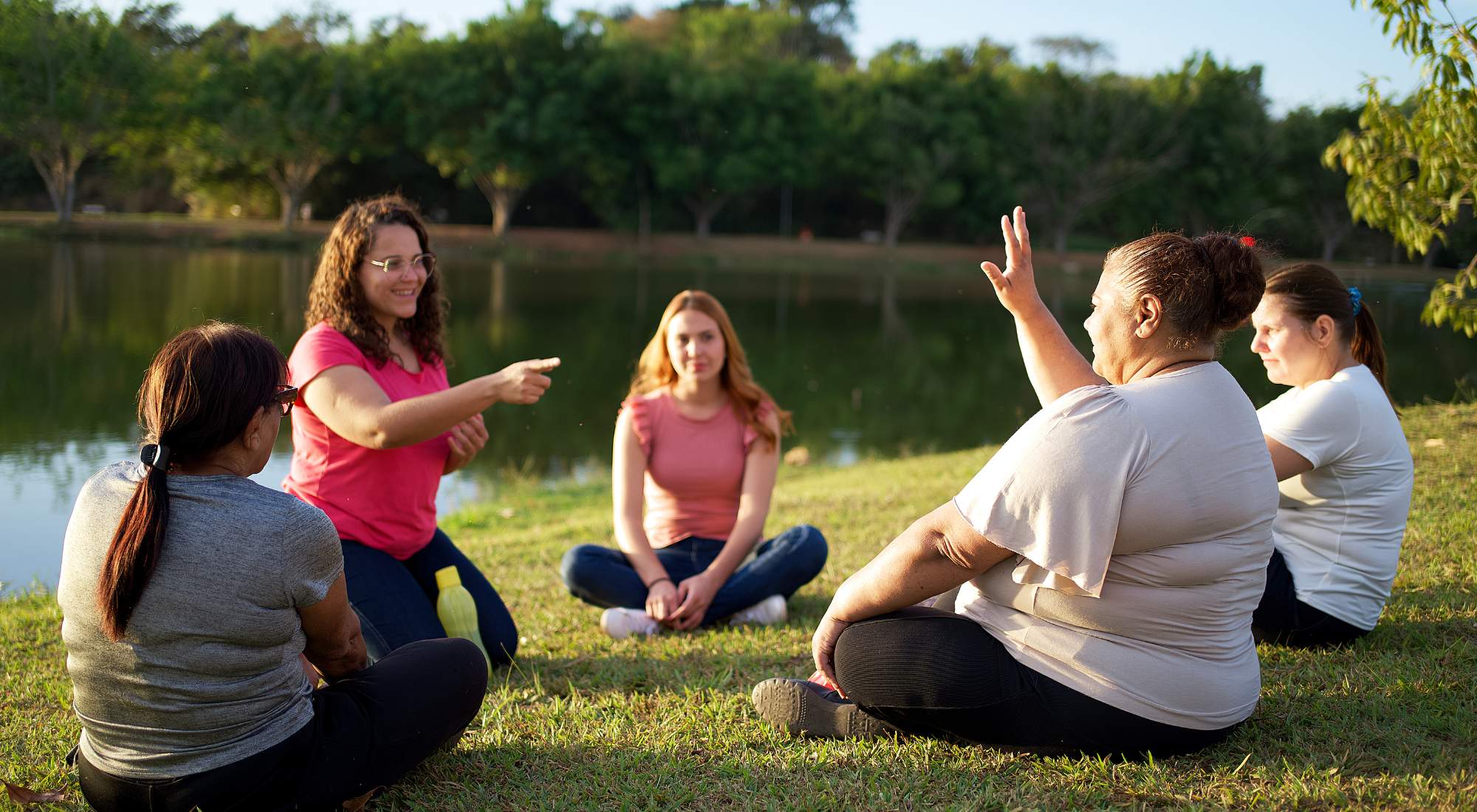
Community service projects help participants build purpose, strengthen self-esteem, and foster social connection. The goal is to replace old habits with positive routines while encouraging meaningful engagement in the community.
In the activity, groups choose volunteer opportunities or service projects that align with their interests and abilities. Participants plan, organize, and carry out the project together, reflecting on how their contributions support both personal growth and recovery.
These activities support recovery by creating a sense of accomplishment, reinforcing prosocial behavior, and helping participants explore passions outside of substance use. Working as a team also strengthens accountability and peer support.
Tips for effectiveness:
- Select projects that match participants’ interests
- Set clear roles and goals
- Encourage reflection on personal impact
- Celebrate achievements as a group
#5: Create Support Network Maps
Support network mapping helps clients visually identify the people, groups, and resources that support their recovery. The goal is to recognize strengths, spot gaps, and create action plans to strengthen sober connections.
In this activity, participants draw a map of their current support system, discuss it in the group, and explore ways to expand or reinforce connections. Facilitators guide reflection on healthy relationships and strategies for reaching out when needed.
At Dove Recovery, support network mapping is used to help clients build lasting, reliable connections that reinforce recovery and help prevent relapse both during and after treatment.
Tips for effectiveness:
- Encourage honesty
- Identify both formal and informal supports
- Set practical steps to fill gaps
- Revisit maps regularly to track progress
#6: High-Risk Scenario Role-Play
High-risk scenario role-play helps participants practice responding to real-world situations that could trigger relapse. The goal is to build confidence in using assertive refusal skills, setting boundaries, and exiting risky situations safely.
In this activity, participants act out challenging scenarios such as holidays, encountering old friends, stress, or boredom. The group practices strategies for saying no, managing cravings, and maintaining composure, with facilitator guidance and feedback.
This activity supports recovery by turning theoretical skills into actionable behaviors, improving decision-making under pressure, and reducing anxiety about real-life triggers. Role-playing in a group also strengthens peer support and accountability.
Tips for effectiveness:
- Choose realistic scenarios
- Model assertive communication
- Provide supportive feedback
- Encourage repeated practice
- Debrief after each role-play to reinforce learning
#7: Skills Workshops
Skills workshops provide clients with practical tools for everyday recovery challenges. The goal is to teach strategies such as stress management, assertive communication, boundary setting, and coping techniques that can be used immediately in daily life.
In these workshops, facilitators present specific skills, guide practice exercises, and encourage group discussion and feedback. Participants can share experiences, ask questions, and learn from each other while building competence in real-world situations.
These workshops support recovery by increasing confidence, enhancing problem-solving abilities, and creating a shared learning environment where clients feel supported and understood.
Tips for effectiveness:
- Focus on actionable skills
- Provide hands-on practice
- Encourage peer feedback
- Connect exercises to real-life scenarios
- Revisit skills regularly for reinforcement
Research consistently shows that recovery is stronger when individuals practice skills in connection with others. Within a structured and supportive group environment, people are reminded that setbacks are not personal failures but signals to adjust the plan.
Recovery does not happen in isolation. Group support creates a space where individuals can grow, practice skills, and stay engaged in recovery without fear of judgment. When guided by evidence-based practices, group activities become a powerful tool for long-term relapse prevention.
Group support strengthens recovery by providing:
- Accountability without shame, encouraging honesty and growth rather than guilt
- Learning from shared experiences, which normalizes challenges and builds insight
- Healthy daily structure and routine, helping individuals stay consistent and focused
At Dove Recovery, through structured, supportive relapse prevention group activities, clients build skills, strengthen connections, and develop the resilience needed for lasting recovery.

Good relapse prevention strategies include:
- Identifying personal triggers
- Building healthy daily routines
- Developing strong support networks
- Using tools like HALT check-ins to manage emotional and physical stressors.
Practicing coping skills consistently and seeking ongoing support are key to maintaining long-term recovery.
Relapse prevention is most effective when it combines individual insight with shared learning. Individual strategies help people recognize internal warning signs, manage cravings, and respond to stress in healthier ways. Group-based strategies reinforce these skills through accountability, shared experiences, and guided practice in real-world scenarios.
At Dove Recovery, relapse prevention is taught through both individualized care and structured group support. Clients learn evidence-based strategies in one-on-one counseling while strengthening skills through group activities designed to promote connection, confidence, and long-term recovery success.
Taking the first step toward recovery requires courage, support, and the right environment. At Dove Recovery, care is centered on the individual, with treatment plans designed to meet each client’s unique needs, goals, and stage of recovery.
Through a combination of outpatient services, partial hospitalization programs, counseling, and structured group programming, Dove Recovery helps clients build practical skills, strengthen healthy relationships, and prepare for lasting change. With compassionate, evidence-based care, Dove Recovery provides the guidance and support needed to move forward with confidence and stability.