
Mixing Energy Drinks and Alcohol: What Happens When Stimulants Meet Alcohol?
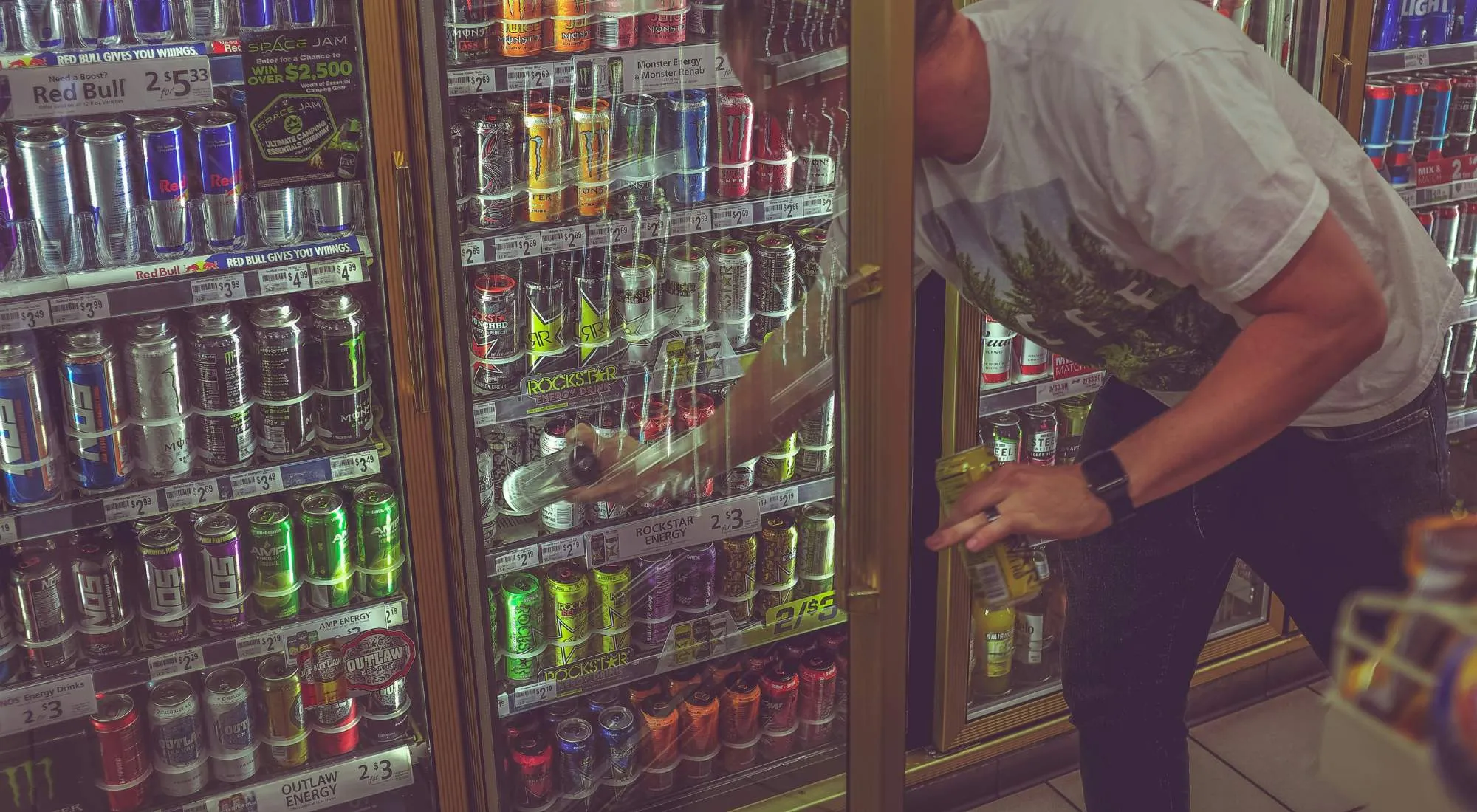
You stayed out later than you meant to, had a few drinks with friends, and now you have an early meeting, exam, or a long drive ahead. Someone suggests having an energy drink to help you wake up, or maybe even mixing one with alcohol to keep the night going. And the idea doesn’t sound bad; it actually seems like an easy fix, but is it bad to mix alcohol and energy drinks, or is it harmless?
A lot of people think the caffeine in energy drinks can cancel out the effects of alcohol or help them sober up more quickly. In fact, mixing the two can raise some health risks and make it harder to notice how impaired you actually are. Knowing what happens when alcohol and caffeine mix can help you make safer choices and avoid risky situations.
This guide covers the risks of mixing alcohol and energy drinks, how caffeine affects your body after drinking, common myths about sobering up, warning signs to look out for, and when to get professional help for alcohol use.
Table of Contents
- Is It Bad To Mix Energy Drinks and Alcohol? Understanding the Risks
- 3 Critical Risk Factors To Consider When Mixing Alcohol and Energy Drinks
- What Should You Not Mix With Alcohol?
- Is It Okay To Drink Energy Drinks After Drinking Alcohol?
- Signs That Alcohol and Energy Drinks May Be Affecting You Negatively
- When Alcohol Becomes a Concern, Dove Recovery Is Here To Help
Generally, yes. Mixing energy drinks with alcohol can be dangerous. Caffeine can make you feel more awake, but it does not lessen the effects of alcohol. You might feel less tired, but alcohol can also affect many other parts of your body and overall health. Some of the potential risks include:
- Compromised judgment
- Reduced coordination
- Slower reaction time
- Poor decision-making
This gap between how you feel and how affected you actually are can make you more likely to drink too much, take risks, or get hurt.
How Caffeine Changes the Way Alcohol Affects Your Body
Many people think that because caffeine is a stimulant and alcohol is a depressant, caffeine can cancel out the effects of alcohol and help you feel more sober. However, even if you drink energy drinks, your blood alcohol concentration (BAC) does not change because your liver processes alcohol at the same speed. This means your reaction time, judgment, and coordination will still be affected.
Energy drinks often contain large amounts of caffeine and other stimulants like guarana and taurine, which can raise your heart rate and blood pressure. Mixing these with alcohol can put extra strain on your heart and blood vessels.
Why Feeling Less Drunk Can Lead to Greater Risks
Caffeine’s stimulating effects can change how you feel about being tired or drunk. It can make you think you’re less intoxicated than you really are because you feel more awake. This might cause you to keep drinking when you would have stopped, or feel confident enough to drive or do things that require clear judgment.
Also, mixing alcohol with energy drinks can make you more likely to binge drink, drive drunk, or take other risks. Since you might feel more alert even when alcohol is affecting you, health experts suggest avoiding this mix whenever possible.
#1: Increased Heart Rate and Stimulation
Alcohol can make your blood vessels relax at first, but caffeine and other stimulants in energy drinks can raise your heart rate and blood pressure. If you are sensitive to caffeine or have health issues, mixing alcohol and energy drinks can lead to palpitations, restlessness, anxiety, or chest pain. This combination may also place additional stress on the cardiovascular system, particularly when consumed in large amounts or over a short period.
#2: Dehydration and Sleep Disruption
Alcohol is a diuretic, so it makes your body lose more fluid through urination. This can raise your risk of dehydration, especially in hot weather or when you are active. Caffeine also has a diuretic effect, but it is usually mild for people who drink it regularly. However, drinking alcohol and caffeine together can make dehydration more likely, especially if you are not drinking enough water.
Caffeine can make it harder to fall asleep and can lower your sleep quality. Alcohol also disrupts your normal sleep cycles, which can leave you feeling more tired and less refreshed the next day.
#3: Decision-Making and Impulse Control
Alcohol makes it harder for your brain to plan, solve problems, and control your actions. As your blood alcohol level goes up, it becomes more difficult to think about consequences, resist urges, and make good choices.
Caffeine might make you feel more awake, but it does not bring back your mental sharpness. You are still likely to make poor decisions while intoxicated. Even simple tasks like handling money, solving problems, or noticing danger can get harder when you mix alcohol with energy drinks.

Avoid mixing alcohol with energy drinks, medications, recreational drugs, or anything else that affects your brain, heart, or breathing. Doing so can cause serious side effects, overdose, accidents, and other health problems more likely. Here’s why:
- Prescription sedatives and sleep medicines: These can make you much more drowsy, slow your breathing, and increase the risk of overdose.
- Opioid pain medicines: Mixing these with alcohol can dangerously slow your breathing and may lead to a life-threatening overdose.
- Energy drinks and other high-caffeine drinks: These can hide the effects of alcohol, making it easier to drink too much without realizing it.
- Recreational drugs: Mixing these with alcohol can cause unpredictable reactions and raise the risk of both physical and mental health problems.
- Some over-the-counter and prescription medicines: Alcohol can interact with these drugs in harmful ways or make them less effective.
Generally, it’s unsafe to mix energy drinks and alcohol, even after you’ve stopped drinking. While it might make you feel less tired, it won’t help your body get rid of the alcohol any faster or stop its effects.
Caffeine can make you feel more alert after drinking, but it doesn’t fix the main causes of a hangover like dehydration, poor sleep, or an imbalance of electrolytes. In some cases, too much caffeine can even make it harder to fall asleep, which means your body misses out on the rest it needs.
Why Energy Drinks Do Not “Sober You Up”
A lot of people believe that drinking an energy drink after alcohol will help them sober up more quickly, but this isn’t true. The liver breaks down alcohol at a steady pace, and nothing in energy drinks, including caffeine, can make this happen faster. While caffeine might make you feel less tired for a short time, it does not lower your blood alcohol concentration (BAC) or undo the effects of alcohol on your brain and body.
The only way to sober up is to let your body have enough time to process the alcohol you’ve had. Drinking water, eating food, or taking a cold shower might help you feel a bit better, but they do not make your body get rid of alcohol any faster.
When To Be More Cautious With Energy Drinks and Alcohol
Certain situations can make mixing energy drinks with alcohol more risky. You should be especially careful if you drink large amounts of alcohol or have several energy drinks, since higher doses of caffeine and alcohol are more likely to cause harmful effects.
You should also avoid mixing alcohol and energy drinks if you have any of the following conditions, as caffeine may worsen symptoms:
- High blood pressure
- Heart disease
- An irregular heartbeat (arrhythmia)
- An anxiety disorder
Mixing alcohol with prescription medication, recreational drugs, or other stimulants can cause unpredictable reactions and raise your risk of serious complications.
If mixing alcohol with energy drinks has become a pattern rather than an occasional choice, it could be a sign that alcohol use deserves a closer look. Dove Recovery offers individualized outpatient treatment to help people regain control and build lasting recovery.
.webp)
Mixing alcohol and energy drinks can affect people in different ways. The amount you drink, your tolerance, and your overall health all matter. Some people have only mild symptoms, but others may feel stronger physical or mental effects.
Look out for these signs that the combination is causing harm:
- Rapid or irregular heartbeat or chest discomfort: Caffeine and alcohol together can make your heart beat faster and put more strain on your heart and blood vessels.
- Anxiety, restlessness, or shakiness: Too much caffeine can overstimulate your nervous system, especially if you are sensitive to it.
- Dizziness, confusion, or poor coordination: Alcohol can affect your balance, focus, and clear thinking, which raises the risk of falls and accidents.
- Nausea or vomiting: Drinking a lot of alcohol, especially with energy drinks, can upset your stomach and make you more likely to get dehydrated.
- Difficulty sleeping: Caffeine can make it harder to fall asleep, and alcohol can lower your sleep quality, making it tougher to recover.
- Loss of consciousness or trouble waking up: These signs could mean alcohol poisoning, so get medical help immediately.
If you’ve realized it’s unsafe to mix alcohol and energy drinks but find it difficult to stop drinking, professional support can help. At Dove Recovery, we offer luxury outpatient addiction treatment designed around your unique needs. Whether you’re looking for alcohol rehab or treatment for co-occurring mental health conditions, our caring team focuses on addiction recovery and provides personalized, evidence-based care like dual diagnosis treatment, psychotherapy, and relapse prevention.
Some of the outpatient services we offer include:
- Ambulatory Detox
- Partial Hospitalization Program (PHP)
- Intensive Outpatient Program (IOP)
- Outpatient Program (OP)
- Dual diagnosis treatment
- Holistic addiction treatment
- Specialized programs for veterans
- LGBTQ+-friendly treatment
- 24/7 customer support
You can recover, and you don't have to do it by yourself. At Dove Recovery, we work to make treatment accessible and help you build a healthier future with caring, personalized support. Reach out to us to learn more about our programs and start your journey to lasting recovery.
The information provided in this blog post is for educational and informational purposes only. It is not intended as a substitute for professional medical advice, diagnosis, or treatment. Always seek the advice of your physician or other qualified health provider with any questions you may have regarding a medical condition or treatment options.