
Rebuilding Strength, Restoring Hope: The Role of Exercise in Drug and Alcohol Recovery

Recovering from addiction can be a difficult journey. Finding healthy ways to reduce cravings, manage stress, and enhance your physical and mental well-being can make a big difference on the road to recovery.
Counseling, support groups, and medical treatment provide the basis for recovery, but exercise can also play an important supporting role.
Below, we will explore how regular physical activity can benefit recovery, some of the best forms of exercise, and how they support long-term recovery and a healthier, balanced lifestyle.
Table of Contents
- How Does Exercise Help With Addiction Recovery?
- 7 Benefits of Exercise in Drug and Alcohol Recovery
- What Are the Best Exercises During Drug and Alcohol Recovery?
- Commonly Asked Questions About Exercise in Drug and Alcohol Recovery
- Dove Recovery Offers Holistic Alcohol and Drug Rehab Services in Columbus, Ohio
Exercise and physical activity serve to promote mental and emotional well-being on the path to recovery. Exercise helps heal the brain and restores the reward system after substance abuse by restoring natural dopamine.
There are countless benefits, some of which will be explored in more detail below, including:
- Providing a healthy outlet for stress and anxiety
- Giving a distraction from cravings and addictive behaviors
- Improving self-esteem and body image
- Enhancing overall fitness and strength
- Instilling discipline and a sense of accomplishment
- Providing an opportunity to build social networks and community

#1: Naturally Enhances Mood
Beginning the recovery journey can cause a significant drop in dopamine levels in your brain. In the beginning, your brain will experience a deficit of dopamine because it is used to the dopamine bursts that drugs or alcohol provide.
The brain’s reward system will need time to recalibrate, and this is where exercise is beneficial.
Exercise gives your brain a natural dopamine and endorphin boost, which can lead to a positive shift in your mood. As a result, you will feel happier and more relaxed.
#2: Curbs Cravings
As you recover, you will likely experience withdrawal or cravings. By exercising, you can reduce or eliminate those cravings.
When you experience a craving, you can often get rid of the craving by doing something to get your mind off of it. Beginning a fitness regimen can give your mind a positive distraction or a healthy craving instead.

#3: Reduces Stress
Changing your habits or lifestyle can be stressful, but exercise can help you manage the stress in a healthy way.
Exercise reduces stress by:
- Reducing the amount of cortisol in your body
- Releasing endorphins to make you feel good
- Improving sleep quality
- Release physical tension
- Provides a distraction for negative and anxious thoughts
The feel-good chemicals produced during exercise effectively counter the effects of stress on the mind and body. Finding movement that is enjoyable for you and doing it regularly provides stress relief. Possible activities may include walking, running, jogging, or yoga, among others.
#4: Improves Sleep
The mood-boosting endorphins produced by exercising lower the amount of stress and anxiety you feel, which makes it easier to fall asleep at night. Additionally, your sleep will likely be deeper and more restorative.
Regular exercise helps regulate your body’s circadian rhythm, allowing you to practice healthy sleep habits such as falling asleep and waking up at a consistent, healthy time.
Deep sleep is necessary for the body to heal. It allows your body to:
- Heal tissues
- Boost your immune system
- Promote overall physical recovery
- Moves memories from short-term to long-term storage
#5: Creates Routine
Developing new, healthy habits, such as creating a fitness routine, is known to reduce the temptation to return to the unhealthy habits that were part of addiction.
Having strong routines is connected to the improvement of both physical and mental health. Having such routines in place is also helpful in dealing with any negative life events that arise, such as health problems.
Physical activity helps the body and mind cope with stress rather than turning to substances or alcohol.
Building new habits and routines takes time, an average of 66 days for many people, but if you stick to it, the physical and emotional benefits are worthwhile.
#6: Creates Community
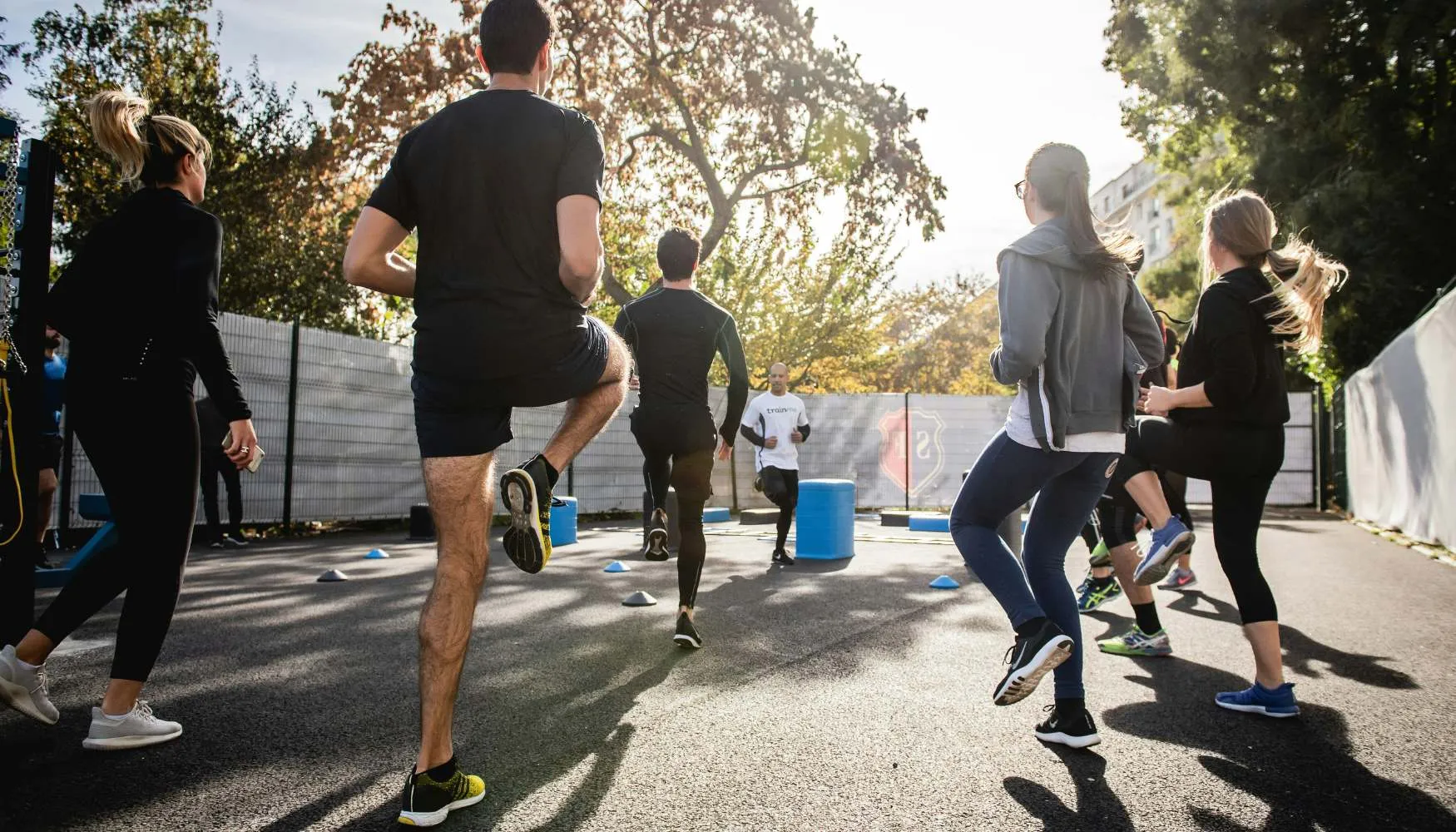
Physical activity has the potential to expand your social network and provide support through a like-minded community. Being socially connected promotes positive mental and physical health.
Joining a fitness class, or joining a sports team, or a club allows you to interact with individuals who have similar goals.
The benefits of becoming part of such a community include:
- Shared physical challenges
- Shared goals
- Mutual accountability
- Release of endorphins
- Social bonding
- Reduced feelings of isolation
#7: May Prevent and Ease Co-Occurring Conditions
Exercise is more than just a way to combat addiction during recovery. Many co-occurring mental and physical health conditions can be impacted by regular physical activity as well.
Conditions such as stress, anxiety, depression, and insomnia are often linked to withdrawal during the recovery process. Exercise replaces and boosts the neurotransmitters your brain needs to be physically and mentally healthy, such as dopamine and endorphins.
Aerobic exercise in particular is helpful in reducing the effects of depression, anxiety, cardiovascular, and metabolic issues by:
- Releasing endorphins
- Balancing the circadian rhythm
- Strengthening the heart
- Lowering blood pressure
- Burning off excess energy for better sleep
- Channeling frustration in a healthy manner
Movement is beneficial for alcohol recovery, especially exercises that are known to produce endorphins and increase your heart rate.
These exercises may include:
- Walking: Low-impact and requires low-energy for people who are tired and recovering
- Running: Great for the release of endorphins and increasing your heart rate
- Hiking: Get in touch with nature to improve physical fitness and mental health
- Swimming: Low-impact, full-body workout
- Biking: Low-cost exercise that allows you to travel where you need to go
- Yoga: Stretch and strengthen muscles while practicing mindfulness and relaxation
- Dancing: Burns calories, reduces stress, and improves coordination
- Weightlifting: Builds muscle, improves strength, and improves bone density
- Strength training: Relieves stress and improves health
- Team sports: Build social networks and provide healthy competition and motivation
Many exercises can give you a sense of freedom and joy, which can benefit you as you move through your recovery journey.
Movement is highly beneficial for your mind and body, especially alongside professional treatment. Our team at Dove Recovery provides individualized plans and support to aid you in your recovery journey.
Is It Best To Combine Exercise With Other Addiction Treatments?
Exercise alone can’t completely combat addiction. However, it is beneficial when combined with other treatments.
Professional treatment, such as medication-assisted therapy and cognitive behavioral therapy are recommended in conjunction with exercise and balanced nutrition.
Exercise has been shown to improve rates of abstinence and help prevent relapse. Physical activity that is consistent and moderate in intensity can promote daily routines and assist with long-term recovery.
Is Intense Exercise Safe During Early Recovery?
Physical activity is beneficial during addiction recovery, but jumping into intense exercise is not recommended.
During recovery, the body and brain are healing. Starting out slowly will allow your body to adapt to new, healthy habits and routines without added stress from intense workouts. Pushing yourself too hard can cause exhaustion and trigger anxiety.
Begin with moderate, low-impact activities such as walking, swimming, or yoga, and then progressively increase the intensity of your workouts when your strength and stamina have improved.
Can Exercise Replace My Regular Recovery Groups?
Exercise should be used in conjunction with other treatments you are receiving and should not replace them. Attending recovery groups should be continued.
Exercise provides many benefits, but should not be the only component in your recovery plan. Professional support, therapies, and recovery groups are also significant measures to assist with recovery.
The staff at Dove Recovery is experienced in addiction recovery treatment. Our treatment plans are individualized to meet every client’s needs. We utilize research-based strategies to aid in addiction recovery and prevent relapse.
We offer a variety of programs at varying levels of intensity, such as outpatient programs, detox, and partial hospitalization programs, along with counseling and therapy.
If you or a loved one is in need of rehab services, reach out to Dove Recovery today.
The information provided in this blog post is for educational and informational purposes only. It is not intended as a substitute for professional medical advice, diagnosis, or treatment. Always seek the advice of your physician or other qualified health provider with any questions you may have regarding a medical condition or treatment options