
Muscle Relaxer Addiction: Understanding the Fine Line Between Medical Use and Misuse
.jpg)
At first, the prescription brings relief. The tightness in your back eases, sleep comes easier, and the pain that once dominated your day fades into the background.
Weeks pass, and the bottle is still within reach. Missing a dose feels unsettling. The calm it provides starts to feel less like a benefit and more like a necessity.
Understanding the addiction risks is the first step toward protecting your health and getting support when it is needed. Can you get addicted to muscle relaxers?
This article explains how these medications work, their potential for dependence, and the warning signs of misuse so you can make informed decisions and seek help early.
Table of Contents
- Understanding Muscle Relaxers and How They Work
- Can You Get Addicted to Muscle Relaxers?
- Signs and Symptoms of Muscle Relaxer Misuse
- How Addiction to Muscle Relaxers Can Develop Without Realizing It
- When Muscle Relaxer Use Becomes a Substance Use Disorder
- Treatment Options for Muscle Relaxer Addiction at Dove Recovery in Columbus, OH
Muscle relaxers are commonly prescribed to help relieve pain and stiffness caused by muscle spasms. They are often used for short-term treatment following injuries, surgeries, or acute musculoskeletal conditions such as back or neck pain. These medications work by affecting the central nervous system, helping reduce muscle tension rather than directly healing the muscle itself.
Doctors typically prescribe muscle relaxers alongside rest, physical therapy, or other treatments. Because they act on the brain and nervous system, many of these medications can also cause drowsiness, relaxation, or a sense of calm.
Common types of muscle relaxers include:
- Cyclobenzaprine: Commonly prescribed for short-term muscle spasms
- Carisoprodol (Soma): Known for its sedative effects and higher misuse risk
- Methocarbamol: Often used for muscle pain and spasms
- Baclofen: Frequently prescribed for chronic muscle spasticity
- Tizanidine: Used for conditions involving muscle tightness and spasms
While muscle relaxers can be effective when used as directed, understanding how they work is important for recognizing when use may begin to cross into misuse.
Yes, some muscle relaxers may be addictive, especially when taken in higher doses, for longer periods, or without medical guidance. Certain types affect the brain’s reward system, increasing the risk of dependence and misuse in some individuals.
The risk of addiction varies by medication. Drugs like carisoprodol and baclofen are more commonly linked to dependence because they produce calming or sedating effects. Over time, the body may build tolerance, leading a person to take more to feel the same relief, which can increase the risk of misuse.
If muscle relaxer use begins to feel difficult to control or causes concern, support can make a meaningful difference. Dove Recovery in Columbus, OH, offers compassionate, customized treatment options, including outpatient care, partial hospitalization programs, and counseling to help individuals regain control and move forward safely.

Dependence vs. Addiction: What’s the Difference?
Physical dependence occurs when the body adapts to a drug, causing withdrawal symptoms if use stops abruptly. This is a physiological response, not necessarily a sign of addiction.
Psychological addiction involves intense cravings and compulsive use despite negative consequences. It affects behavior and emotions, not just the body.
Why do both matter in recovery? Understanding both helps to guide treatment. Recovery often addresses physical withdrawal and the habits or triggers that drive continued use, ensuring long-term success.
Why Some Muscle Relaxers Carry a Higher Risk
Some muscle relaxers are more likely to lead to dependence or misuse due to how they affect the body and brain. Key factors include:
- Sedation and calming effects: Strong drowsiness or relaxation can make the body and mind rely on the medication for comfort, increasing the potential for misuse.
- Interaction with the brain’s reward system: Medications like carisoprodol can activate reward pathways, producing feelings of euphoria that may lead to compulsive use.
- Increased risk when combined with other substances: Using muscle relaxers alongside alcohol, opioids, or other sedatives can intensify effects, raising both dependence and overdose risk.
Physical Warning Signs
Muscle relaxer misuse can produce noticeable changes in the body. Being aware of these physical signs can help you or a loved one seek help early:
- Drowsiness: Excessive sleepiness or difficulty staying alert during normal activities
- Coordination issues: Trouble with balance, slowed reflexes, or clumsiness
- Tolerance buildup: Needing higher doses to achieve the same effect, which can increase the risk of dependence
If these signs are present, early intervention is important. Dove Recovery in Columbus, OH, provides compassionate care and customized treatment plans to support recovery safely and effectively.
Behavioral and Emotional Red Flags
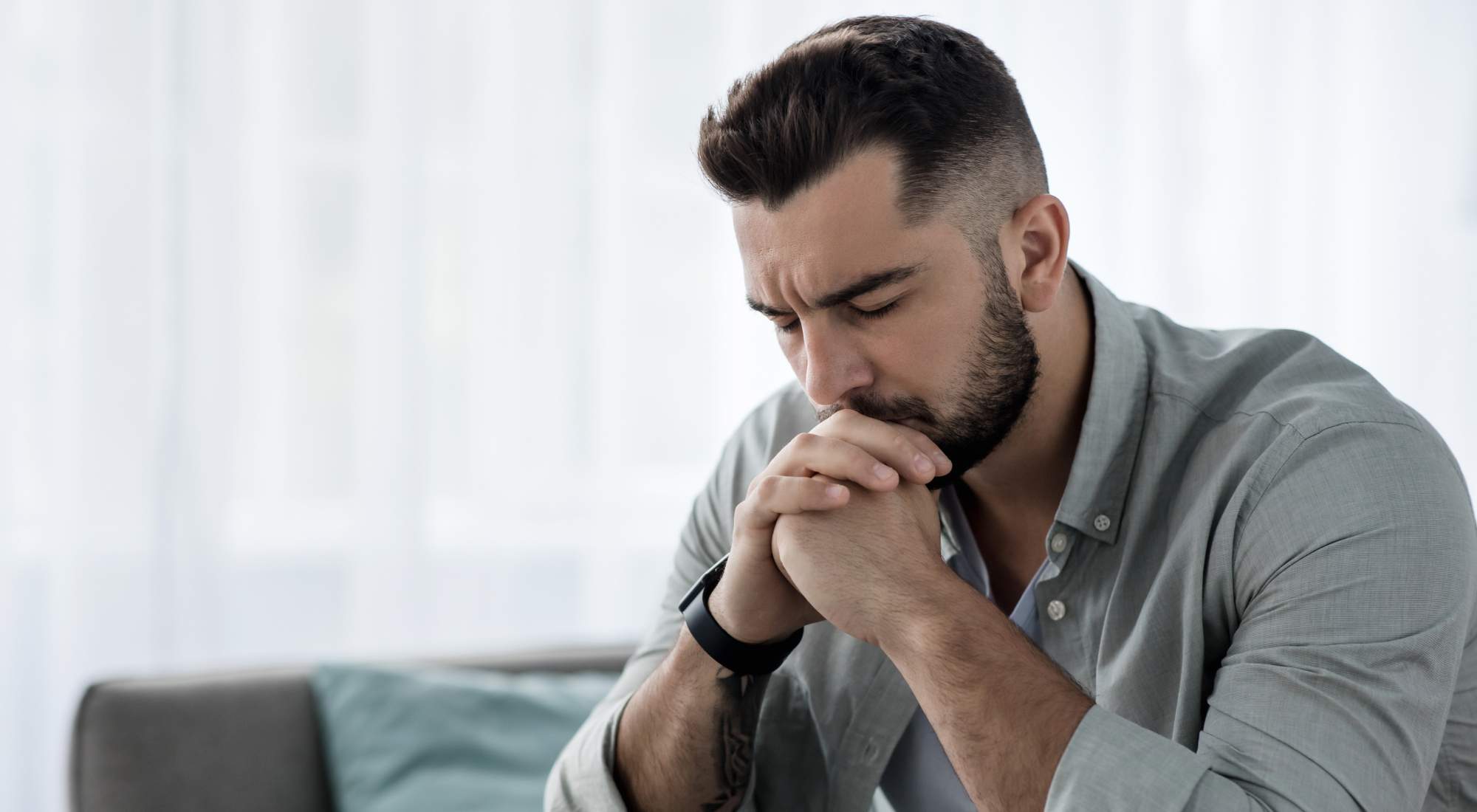
Changes in behavior or emotions can signal muscle relaxer misuse. Paying attention to these signs is just as important as noticing physical symptoms, and it may be time to seek help if they appear:
- Taking more than prescribed: Using higher doses or taking medication more often than directed
- Doctor shopping: Visiting multiple healthcare providers to obtain extra prescriptions
- Anxiety when medication runs low: Feeling restless, irritable, or panicked if doses are missed or the bottle is almost empty
From Short-Term Relief to Long-Term Use
Muscle relaxers are often prescribed for temporary relief, but their effects can make continued use tempting. What begins as a short-term solution for pain may gradually extend beyond the intended timeframe.
Extended prescriptions, chronic pain cycles, or relying on medication for sleep or stress can turn routine use into long-term dependence without the person realizing it. Awareness and careful monitoring are key to preventing misuse.
The Role of Stress, Trauma, and Mental Health
Stress, trauma, and mental health conditions can increase the risk of muscle relaxer misuse. People with co-occurring anxiety or depression may be more likely to rely on these medications to cope with emotional discomfort.
Self-medication patterns can develop when muscle relaxers are used to manage stress, sleep problems, or emotional pain. Recognizing these patterns early is important for addressing both the substance use and underlying mental health needs.
A substance use disorder develops when muscle relaxer use starts to control daily life. Key signs include:
- Loss of control: Difficulty limiting use or sticking to prescribed doses
- Continued use despite harm: Persisting even when experiencing negative physical, emotional, or social consequences
- Withdrawal symptoms: Experiencing anxiety, irritability, or physical discomfort when doses are missed
These effects often reinforce continued use, making it harder to stop without support. Recognizing the point at which use becomes harmful is critical, and seeking help early can improve recovery outcomes.
In the next section, we’ll look at treatment options and how specialized care can support lasting recovery.

Overcoming muscle relaxer addiction often begins with medically supervised withdrawal, which helps manage withdrawal symptoms safely and comfortably. Dove Recovery provides personalized care plans to guide patients through this critical first step.
Treatment can take place in inpatient or outpatient settings, depending on individual needs. Inpatient programs offer structured support and 24/7 monitoring, while outpatient programs allow patients to continue their daily responsibilities while receiving therapy and medical guidance.
Addressing co-occurring disorders is also essential. Many individuals struggling with muscle relaxers may also misuse alcohol or other substances or experience underlying mental health conditions. Dove Recovery’s integrated approach ensures both addiction and mental health are treated simultaneously, increasing the likelihood of long-term success.
With tailored programs, compassionate care, and professional guidance, Dove Recovery helps individuals reclaim control over their health and begin a sustainable path to recovery.