
Does Alcohol Cause Cold Feet? Understanding the Connection
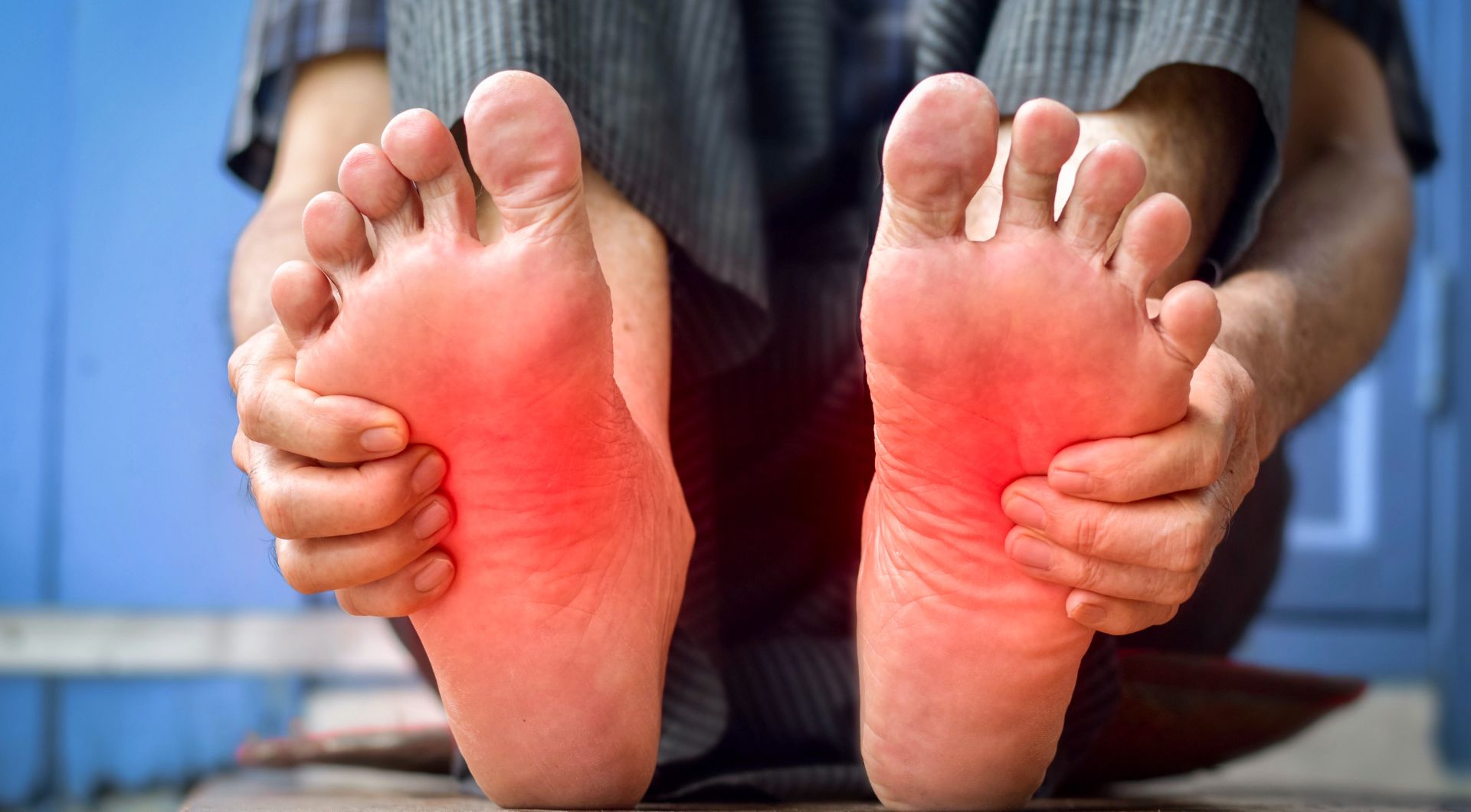
Whether your drinking has increased or you’ve slowed down and started paying closer attention to your body, you might have realized your feet get cold when you drink. You may be asking yourself, “Why do my feet go cold when I drink alcohol? How do I determine if alcohol is the cause?”
Wondering whether your alcohol use and cold feet are connected is a good observation. There are many reasons you might be experiencing cold feet, and understanding the possible causes, along with seeking medical advice, is a great place to start.
In this article, we’ll uncover how alcohol can cause cold feet and the possible short-term and long-term effects. We’ll discuss both non-alcohol-related and alcohol-related cold feet, so you can gain a better understanding of what may be causing your symptoms.
Table of Contents
- Can Drinking Alcohol Cause Cold Feet?
- Why Do My Feet Go Cold When I Drink Alcohol?
- What Happens to Your Feet When You Drink Too Much Alcohol?
- Non-Alcohol-Related Medical Causes of Cold Feet
- Alcohol-Related Medical Causes of Cold Feet
- When To Seek Medical Help for Cold Feet and Alcohol Use
- Concerned About Alcohol’s Impact on Your Body? Take the Next Step Toward Wellness With Dove Recovery
“Cold feet” can refer to feet that are physically cold to the touch as well as feet that feel numb, tingly, or “asleep.” When an individual experiences a numb or tingly sensation, it may be a result of a circulation or nerve issue, both of which can be negatively affected by alcohol.
Sometimes, cold feet have nothing to do with your alcohol consumption and may be caused by non-medical factors.
A few common causes of cold feet include:
- Cold environment
- Poor circulation
- Sitting for too long
If your symptoms continue or get worse, you may have an underlying condition that requires medical attention. It’s important to consult your healthcare provider to determine the cause of your cold feet.
Alcohol, especially chronic consumption, affects the peripheral nervous system and blood vessels. The impact alcohol has on these vital parts of your body may cause you to notice temperature changes, tingling, or numbness in your feet.
Persistent symptoms should be evaluated by a medical professional, not self-diagnosed. An underlying medical condition may be causing your cold feet, and having a healthcare provider identify the cause can help you determine the next best steps.
If you’re struggling to cut back or abstain from alcohol, you may need the guidance and support of an addiction program to lead you to success. Dove Recovery’s team has the experience and compassion to help you achieve sobriety and to learn the skills to continue a sober life. Reach out to our admissions team, and we’ll get you started today!
Alcohol may cause your blood vessels to widen, creating the opportunity for blood to pool in your feet. This might make you feel warm initially, but may lead to a loss of overall body heat and cold feet.
Short-Term Effects
Consuming alcohol can make you feel flushed or warm due to increased blood flow to the skin and away from the core, but as your body tries to regulate its temperature, your extremities, like your feet, may feel cold. This effect is temporary, and your body should return to normal as the alcohol is metabolized.
Long-Term Effects
Long-term, heavy alcohol use may contribute to various health issues that may directly or indirectly cause cold feet. Alcohol may cause nerve damage, weaken blood vessels, and contribute to nutritional deficiencies, leading to a lack of vital vitamins essential for healthy nerve function. All of these issues might worsen existing circulation problems, further contributing to cold feet symptoms.
Although alcohol can cause cold feet, that’s not always the case. It’s important not to overlook other possibilities that may need attention by assuming alcohol is the cause.
Common medical-related causes of cold feet include:
- Poor circulation
- Peripheral artery disease
- Raynaud’s phenomenon
- Thyroid problems
- Diabetes
- Anemia
- Certain autoimmune conditions
If medical-related causes have been ruled out by your medical provider and you struggle with alcohol abuse, you may be getting cold feet due to possible damage caused by long-term, heavy alcohol consumption.
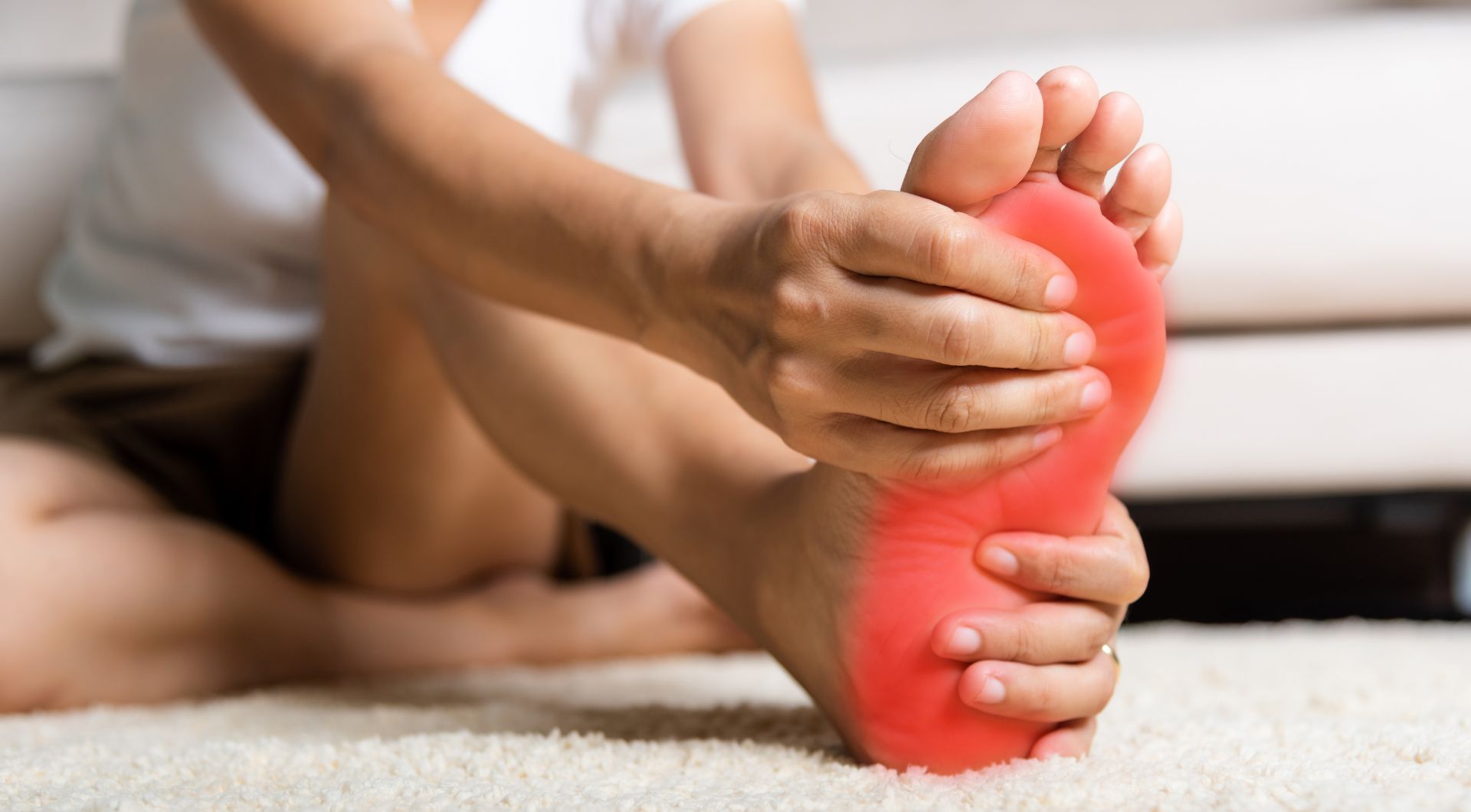
Alcohol-related neuropathy refers to the nerve damage caused by the toxic effects of heavy, long-term alcohol consumption and nutritional deficiencies. People who have peripheral nerve damage may experience a cold, numb, or burning sensation in their feet, even when their feet don’t feel cold to the touch. A study shows that 44% of chronic alcohol users show signs of alcohol-related peripheral neuropathy.
Other possible symptoms of alcohol-related neuropathy include:
- Tingling
- Weakness
- Balance problems
- Muscle cramps
- Changes in sensation
- Issues with digestion or bladder function
Make an appointment with your healthcare provider if you experience any of these symptoms.
Alcohol-Related Neuropathy Diagnosis and Treatment
If you’ve scheduled an appointment with your healthcare provider because you are experiencing neuropathy symptoms, be sure to be honest about your alcohol consumption. Your medical provider's goal is to help, not shame. Receiving the proper diagnosis and treatment is crucial for improving your health.
During your appointment, your doctor might ask you about your symptoms and alcohol use. Once you’ve shared information that requires further evaluation, your provider may perform physical and neurological exams, along with tests such as blood work, liver function panels, diabetes screening, and nerve conduction tests.
Treatment approaches to alcohol-related neuropathy include:
- Reducing or stopping alcohol use
- Addressing nutritional deficiencies
- Pain medications
- Physical therapy
- Strategies to prevent falls or injuries
Following your doctor's advice and treatment recommendations may improve your symptoms. Some people may experience long-lasting nerve damage, especially if their alcohol use continues.

If you’re still wondering what happens to your feet when you drink too much alcohol and when it’s the right time to seek medical advice, there are a few red-flag symptoms to watch for.
Reach out to your healthcare provider if you experience any of the following symptoms:
- Sudden or severe changes in sensation
- Ulcers or wounds that won’t heal
- Difficulty walking
- Weakness
- Worsening symptoms
If you have a hard time controlling your alcohol consumption or notice it is negatively affecting your health, relationships, or work, it may be time to reach out for professional support. Dove Recovery offers detox programs so you can begin your sobriety in a safe environment with access to medical care and guidance.
Becoming sober can have numerous positive impacts on your body and your life. A health benefit of sobriety includes better circulation, which can reduce symptoms of cold feet. Sobriety also supports heart health, improving vascular function and temperature regulation.
Our compassionate team at Dove Recovery offers a level of care tailored to each person’s unique needs. We provide medical and emotional support so you gain the tools and guidance you need for a lasting recovery.
Are you ready to embrace a healthier lifestyle and leave the harmful effects of alcohol behind? Reach out to Dove Recovery today and start your journey to recovery and beyond.