
Alcohol’s Effect on the Elderly: Elucidating the Problem of Alcoholism in Seniors

Alcohol’s Effect on the Elderly: Elucidating the Problem of Alcoholism in Seniors
Watching a parent or older loved one struggle is never easy. As people age, they may face loneliness, retirement, pain, grief, health problems, or major life changes that quietly affect their mood. Even when families care deeply, busy schedules can make it hard to notice when something serious is happening. Often, this includes alcoholism in seniors, which can be difficult to recognize early.
Alcoholism among older adults is more common than many people realize and often needs special support and treatment. In this article, we’ll look at what puts seniors at risk for alcoholism, how alcohol affects them differently, warning signs families should watch for, and what treatment options can help seniors recover and improve their lives.
Table of Contents
- What Factors Can Put Seniors at Risk for Alcoholism?
- Is My Elderly Loved One Struggling With Alcoholism?
- 5 Ways Alcoholism Affects Seniors Differently
- How Is Alcoholism in Seniors Treated? 3 Options
- Dove Recovery: Helping Senior Adults Overcome Alcohol Addiction
More older adults are having problems with alcohol, even those who never had issues before. The National Institute on Alcohol Abuse and Alcoholism says about 2.9 million people over 65, or 4.8% of that age group, had alcohol use disorder in 2024. Researchers have also seen an increase in heavy drinking among seniors in recent years, highlighting the growing concern of alcoholism in seniors. This raises worries about the physical and emotional dangers alcohol can cause at this stage of life, which include:
- Loneliness: Retirement, health issues, moving to a new home, or losing loved ones can shrink their social circles and leave them by themselves.
- Grief: Since older adults are more likely to lose spouses, siblings, or lifelong friends, some may use alcohol to deal with sadness, worry, or depression.
- Comfort or stress relief: Some seniors may turn to alcohol as they face changes like ongoing pain, less ability to move, trouble sleeping, or losing independence.
- Retirement and having more free time: With fewer responsibilities, seniors may spend more time drinking.
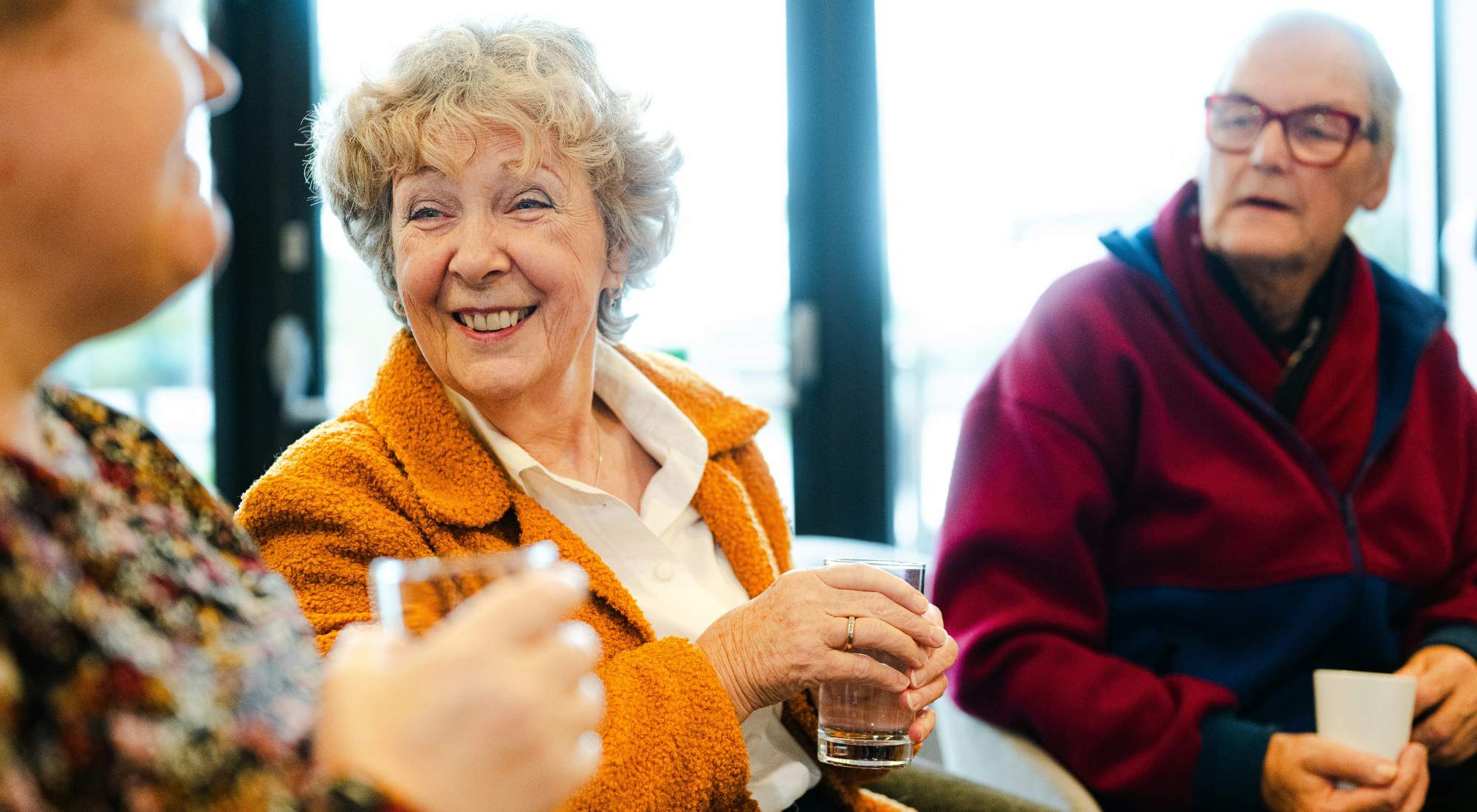
Sometimes it can be difficult to recognize alcohol abuse in older adults because many of the warning signs can be confused with normal things, such as stress, memory problems, or health problems. Some seniors also tend to hide their drinking or prefer to drink alone, making the problem harder to recognize.
Here are some of the most common signs that an elderly loved one may be having issues with alcohol:
- Being secretive about drinking or getting defensive when asked about alcohol use
- Forgetting things, asking the same questions repeatedly, or having trouble keeping up with conversations
- Having more bruises, accidents, or trouble with balance
- Becoming more irritable, sad, anxious, or withdrawn
- Not keeping up with personal hygiene, letting living spaces get messy, or missing appointments
- Losing interest in hobbies, daily routines, or spending time with friends and family
- Drinking more often after feeling stressed, grieving, lonely, or dealing with health problems
- Having trouble sleeping, eating less than usual, or losing weight without a clear reason
- Drinking alcohol while also taking prescription medications
At Dove Recovery, we know spotting alcohol abuse in older adults is not always easy. Our team helps you and your loved one identify warning signs, determine if there is a problem, and find the right treatment and support. We offer caring support, personalized treatment plans, and guidance at every step so seniors can begin recovery with confidence and safety.

Alcoholism can affect people at any age, but seniors are especially at risk. As they age, changes in their bodies and minds make alcohol affect them more strongly. Even moderate drinking can be more harmful for seniors.
#1: Cognitive/Mental Damage
Many older adults who struggle with alcohol use often face a faster decline in their ability to pay attention, remember things, make decisions, and think clearly. Over time, these problems can make it harder to stay independent and enjoy daily life. Sometimes, people mistake these signs for normal aging or other common health problems in older adults.
Alcohol can make mental health problems worse and may lead to issues like depression and anxiety. Big life changes that often happen in older age, such as retirement, losing a loved one, or facing health problems, can make seniors more likely to use alcohol to cope with stress, loneliness, boredom, or sadness. While alcohol might briefly ease emotional pain, it often starts a cycle where symptoms get worse over time, leading to more drinking and making it harder to stop.
#2: Exacerbation of Chronic Health Issues
Alcohol misuse can make common health problems in seniors worse or increase the risk of getting them. These include heart disease, chronic pain, diabetes, and breathing issues. As people age, the body becomes less resilient, so alcohol can make it harder to manage health problems and may slow down recovery from illness or injury.
Alcohol misuse is also connected to a higher risk of several types of cancer. Studies show that even small amounts of alcohol may raise the chances of developing breast cancer and heart disease, no matter what kind of alcohol is consumed.
#3: Medication Interactions
Many seniors take several prescription medications, and drinking alcohol can cause dangerous interactions. Alcohol may make these medications less effective or increase their side effects to dangerous levels.
For example, drinking alcohol while taking medicine for sleep problems, pain, anxiety, depression, or other conditions that cause drowsiness can raise the risk of injuries, falls, or even overdose.
#4: Hazardous Accidents
Older adults are more sensitive to the calming effects of alcohol, which can affect their coordination, balance, focus, and reaction speed. Because of this, they have a higher chance of accidents like car crashes, falls, and other injuries due to poor judgment and slow responses.
As people get older, their bodies typically contain less water and muscle, which can cause alcohol to become more concentrated and make its effects stronger, even when they drink the same amount as younger adults. This means older adults feel stronger effects from smaller amounts of alcohol and face more health risks, even when drinking less.
These risks are especially important for older adults because even small injuries can have serious effects. For example, a fall that might only cause a bruise in a younger person could lead to broken bones, head injuries, or lasting loss of movement in an older adult. Because of this, alcohol-related problems are a major concern for this group.
#5: Sleep Issues
As people get older, they often notice changes in their sleep. Nights can become lighter, with more wake-ups and a feeling that good rest is hard to find. Some try having a drink, hoping it will help them sleep better. This pattern is common in alcoholism in seniors, especially when alcohol slowly becomes part of a routine for managing sleep.
Alcohol may help people fall asleep at first, but over time, it disrupts normal sleep cycles and lowers sleep quality. Seniors may end up with more broken sleep, wake up earlier, and feel less rested. This can lead to fatigue and a cycle of using alcohol to cope with ongoing sleep problems.
At Dove Recovery, we know that alcohol addiction can impact older adults in unique ways and may need special care. Our team works with seniors and their families to handle the physical, emotional, and lifestyle challenges of alcoholism. We offer personalized treatment, caring support, and recovery programs designed for older adults.
#1: Detoxification
The first step in treating alcohol addiction is usually detoxification. During this process, the body gets rid of alcohol and deals with withdrawal symptoms that can range from anxiety and nausea to seizures or serious heart problems.
Older adults need medical care during withdrawal because they are more likely to become dehydrated, confused, have medication issues, or fall. In supervised detox programs for alcoholism in seniors, healthcare professionals watch vital signs, manage symptoms, and help prevent serious problems.
#2: Rehab/Therapy
After detox, many older adults begin rehab programs and therapy to help with their physical and emotional recovery. Treatment options may include:
- Staying at a rehab center
- Going to treatment sessions
- Having one-on-one counseling, join family therapy
- Taking part in support groups like Alcoholics Anonymous
Programs for older adults usually work better because they focus on age-related issues like
- Grief
- Chronic illness
- Retirement
- Social isolation
- Changes in independence.
Older adults often feel more comfortable and understood when the support matches their life stage and experiences.
#3: Medication
There are a few medications that can help lower alcohol cravings and support long-term recovery. Naltrexone is often used to reduce cravings and make drinking less enjoyable. Doctors may also suggest Acamprosate or Disulfiram in some cases.
Medical practitioners need to be especially careful when giving these medications to older adults. Many seniors have other health problems or take several medicines, which can raise the risk of side effects or drug interactions. Before starting treatment, healthcare providers check the person’s health, current medications, and liver function.

At Dove Recovery, we believe in the power of recovery because we have seen it change lives, including those of our clients and people close to us. We know that lasting recovery takes personalized care, strong support, and therapies that fit each person’s unique needs and goals.
We provide a full range of care, including:
- Detox
- Partial hospitalization (PHP)
- Intensive outpatient (IOP)
- Outpatient treatment
- Ongoing therapy and counseling
Our team has specific experience supporting alcoholism in seniors, allowing us to tailor treatment to the unique challenges older adults face. If you or an older loved one struggles with alcoholism, we’re here to help with the experience, support, and care needed to begin recovery. Contact us today to learn more about our programs.
The information provided in this blog post is for educational and informational purposes only. It is not intended as a substitute for professional medical advice, diagnosis, or treatment. Always seek the advice of your physician or other qualified health provider with any questions you may have regarding a medical condition or treatment options.