
Alcohol and Accutane: Why Mixing Them Can Be Risky and What To Do About It
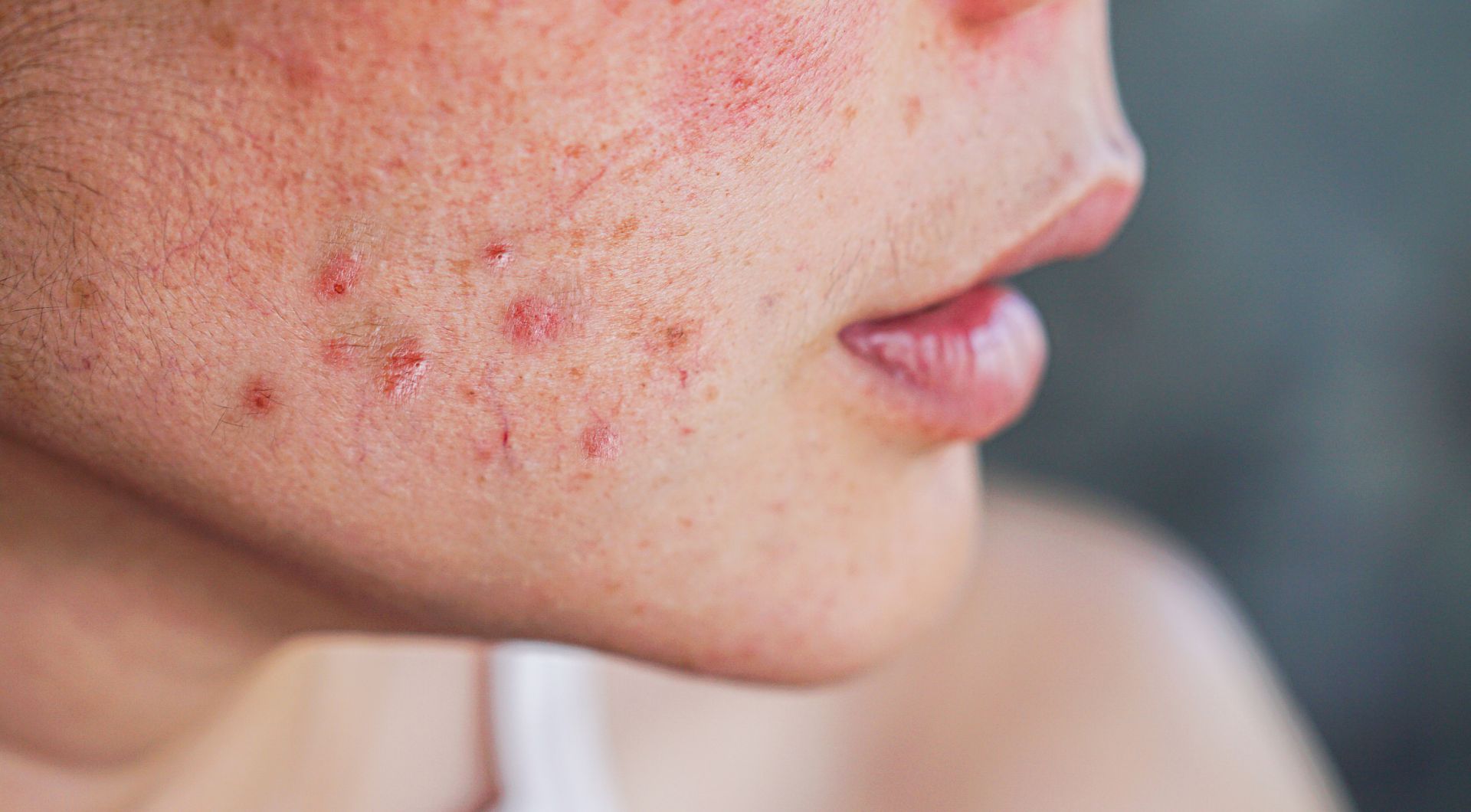
Starting Accutane is a big step toward clearer skin, and with it comes a lot of questions — especially about alcohol.
Maybe you’re used to grabbing a glass of wine with dinner, or you have a happy hour to attend with coworkers coming up. It’s completely normal to wonder if combining alcohol with Accutane is really that big of a deal.
The truth is: alcohol can add extra stress to your liver and can worsen some of Accutane’s common side effects. Once you understand how they interact, you’ll feel much more confident in making the best decision for your health.
In this article, we’ll cover important things to consider so you’ll know exactly what to keep in mind before reaching for a drink while taking Accutane.
Table of Contents
- What Is Accutane?
- Understanding Alcohol and Its Impact on Skin Health
- Can I Drink While on Accutane?
- Consequences of Combining Accutane and Drinking Alcohol
- Important Information To Share With Your Doctor Before Starting Accutane
- Start Healing From Alcohol Use With the Support of Dove Recovery
Accutane, also known by its generic name isotretinoin, is a powerful prescription medication used to treat severe or persistent acne that hasn’t improved with other treatments. It works by significantly reducing the amount of oil (sebum) produced by the skin’s glands. This reduction of sebum keeps pores from clogging and reduces breakouts.
Accutane has numerous benefits, but the trade-off is that it comes with potential serious side effects, like changes in liver function or mood, so doctors monitor patients closely with regular check-ins and blood tests during treatment.
Alcohol can have several effects on your skin that may make acne harder to manage:
- First, alcohol is dehydrating, which can make your skin drier and more irritated, prompting your oil glands to go into overdrive to compensate.
- Second, alcohol can also increase inflammation in the body, which can make red, swollen breakouts look and feel worse.
- Third, frequent or heavy drinking can disrupt hormone balance, which plays a significant role in acne for many people.
All of these factors combined can lead to more breakouts, slower healing, and skin that feels less healthy overall. Knowing how alcohol affects skin health can be helpful during your journey to clearer skin.
Drinking alcohol while on Accutane is strongly discouraged. Both can stress your liver and increase side effects like dryness, nausea, or fatigue. If you drink regularly or struggle with alcohol use disorder, talk to your dermatologist first.
How Does Accutane Affect the Liver?
Accutane is processed through the liver, which means your liver works to break down and remove the medication from your body. This can put extra stress on your liver, causing your liver enzyme levels to rise. Dermatologists regularly monitor bloodwork during treatment to make sure everything is functioning safely.
While Accutane can elevate liver enzyme levels, they should never be abnormally high. If monitored correctly and proper precautions are taken to avoid other stressors to the liver, Accutane shouldn’t cause lasting, permanent liver injury.
How Does Alcohol Affect the Liver?
Alcohol on its own is toxic to the liver, and so are the chemicals your body makes when breaking it down. As your liver metabolizes alcohol, it creates a byproduct called acetaldehyde, which can be harmful if too much builds up.
Over time, alcohol can increase fat buildup in the liver, which makes it harder for this vital organ to do its job well. When someone drinks while taking Accutane, the liver has to work twice as hard to metabolize the medication and the alcohol. This “double load” can increase inflammation and raise the risk of long-term liver problems such as acute alcohol-related hepatitis, liver cancer, and cirrhosis.
If you need Accutane, but cutting back on alcohol feels difficult, Dove Recovery provides supportive, personalized care for alcohol use disorder — helping people make healthy choices while protecting their overall well-being.

When alcohol and Accutane are combined, the risks increase because both stress the liver and affect how your body functions.
Here’s what can happen if you combine Accutane and alcohol:
- Elevated risk of liver inflammation or damage: The liver has to process both alcohol and Accutane at the same time, resulting in more work for the liver.
- Changes in metabolism: Accutane can raise cholesterol or triglycerides, but adding alcohol to the mix makes it far more likely.
- Increased dehydration: Alcohol pulls moisture from the body, which can worsen Accutane’s dryness — especially on the skin and lips.
- Heightened side effects: The combination of alcohol and Accutane can worsen nausea and fatigue.
- Slowed healing: When the body is strained, recovery happens more slowly, so breakouts and irritation may take longer to improve.
Everyone’s situation is different, but understanding these effects can empower you to make choices that support your skin and overall health. If reducing alcohol feels overwhelming or challenging, Dove Recovery can offer support to help you stop drinking alcohol.

What Should You Avoid While on Accutane?
Accutane is highly effective, but it also makes your skin and body more sensitive. To protect your health and get the best results, there are a few things you’ll want to steer clear of during treatment to prevent complications and keep your progress on track.
When you’re taking Accutane, you should avoid:
- Alcohol: Adds extra stress to the liver and can worsen side effects
- Vitamin A supplements: Can lead to vitamin A overload, increasing toxicity risks
- Tanning beds and excessive sun exposure: Skin can burn more easily due to increased sensitivity
- Waxing, chemical peels, or certain cosmetic procedures: Increased chance of scarring and tearing
Common Accutane Side Effects That Are Worsened With Alcohol
Accutane already comes with some expected side effects, such as:
- Dry, peeling skin and lips
- Eye irritation
- Nosebleeds
- Headaches
- Fatigue
- Joint and/or muscle aches
- Increased sun sensitivity
- Stomach discomfort or nausea
- Changes in mood
- Changes in liver function or cholesterol levels
These side effects can be intensified or worsened by alcohol.
Drinking while on Accutane worsens dehydration, leading to increased dryness, peeling, and irritation. Headaches and fatigue may also intensify because alcohol and Accutane can affect hydration levels and how the body processes energy.
Accutane can cause emotional changes in some people, and there’s a connection between alcohol and mood. This means the combination of the two can amplify feelings of anxiety, sadness, or irritability.
Stomach discomfort and nausea may be more likely, too, since alcohol can irritate the digestive system that may already be sensitive from Accutane.
On top of that, alcohol can slow down your skin’s healing process. So, if you’re drinking while on Accutane, breakouts and irritation may take longer to improve, reducing the effectiveness of the medication.
If you’re finding it hard to cut back on alcohol during treatment and feel like it’s affecting your health or mood, Dove Recovery is here to help with compassionate support for alcohol use disorder.
What To Do if You Drank While Taking Accutane
If you’ve already consumed alcohol while taking Accutane, try not to panic. One drink doesn’t automatically mean something serious will happen. The best thing you can do is stop drinking now and pay attention to how you’re feeling.
It’s a good idea to let your doctor know, especially if you had more than a small amount. If you’re feeling unwell or due for blood work, they may want to check your liver enzymes or provide guidance tailored to your situation.
Continue staying hydrated, avoid additional side effect triggers, and take care of your skin as your body recovers.
Before beginning any medication, you should always let your provider know any important information that’s relevant to your treatment.
Some of the things to keep in mind as you’re discussing your treatment plan with your dermatologist include:
- Current medications
- Alcohol habits
- Medical history
- Supplements and vitamins
Be as honest and specific as possible. Transparency is important so your doctor can ensure safe monitoring and proper dosing.
Signs You Should Contact Your Doctor Immediately
While most Accutane side effects are manageable, certain symptoms should be taken seriously and reported to your doctor right away.
Red-flag signs to contact your doctor immediately:
- Abdominal pain that doesn’t go away
- Yellowing of the skin or eyes
- Dark urine or noticeable changes in bathroom habits
- Severe fatigue or weakness
- Significant mood changes such as depression or intense irritability
These symptoms can signal liver strain or other complications that need prompt medical attention.
If alcohol use is contributing to these concerns — or is becoming difficult to manage — getting professional help to treat alcohol use disorder is important to manage your Accutane treatment.
If cutting back on alcohol while on Accutane feels overwhelming, you’re not alone, and it’s perfectly normal to ask for help.
At Dove Recovery, we provide compassionate care for alcohol use disorder. Our goal is to help you protect your liver health, support your Accutane treatment, and feel better from the inside out. With guidance, encouragement, and evidence-based treatment, you can focus on clearer skin and a healthier future at the same time.
Reach out to our admissions team to schedule your confidential consultation today.